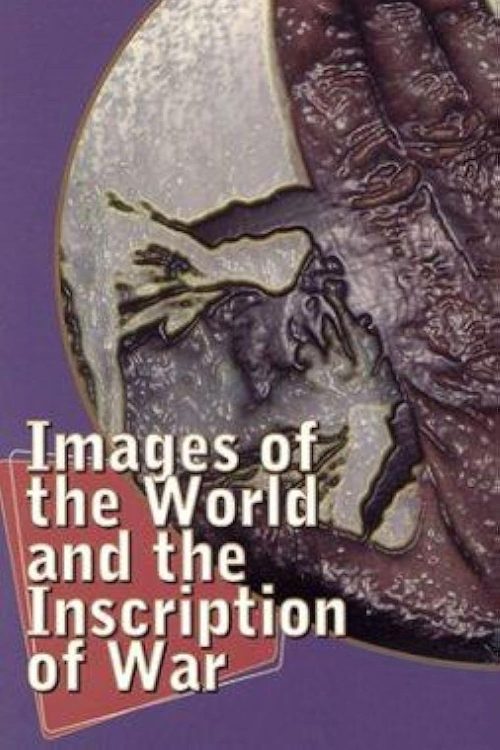
Images of the World and the Inscription of War(1991)
About Images of the World and the Inscription of War
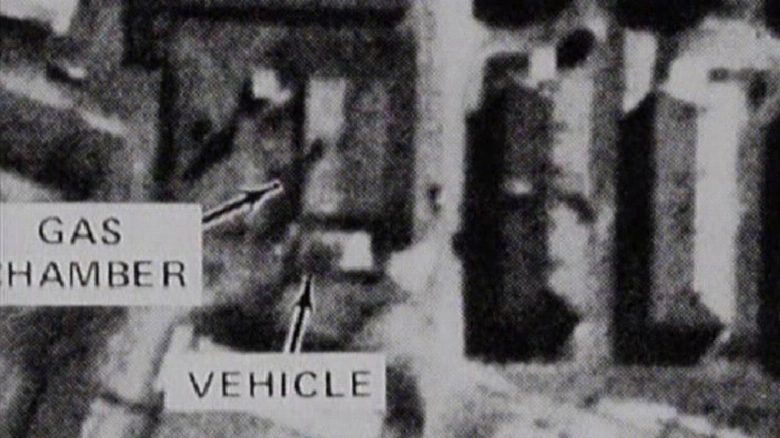
Farocki’s intriguing and troubling film explores the processes of visual perception and how they affect our understanding of history and society. In a work reminiscent of the writings of Paul Virilio and Michel Foucault, Farocki examines a range of phenomena including aerial reconnaissance photos of the Auschwitz concentration camp.
Few filmmakers have managed to bridge the gap between academic theory and visual storytelling as effectively as Harun Farocki, whose 1991 documentary Images of the World and the Inscription of War remains a haunting meditation on the fallibility of the human eye. While contemporary Indian cinema often leans into high-octane spectacle or emotional melodrama, this German masterpiece offers a stark, intellectual counterpoint that challenges viewers to rethink the relationship between technology and historical truth. By dissecting the chilling detachment inherent in aerial surveillance footage, Farocki forces us to confront how images are weaponized, archived, and ultimately exploited to sanitize the darkest chapters of human experience. It is a film that demands total engagement, stripping away the comfort of passive viewing to expose the calculated gaze behind every frame.
The documentary functions as an essential text for anyone interested in the philosophy of media, particularly those who appreciate the analytical depth found in the works of thinkers like Michel Foucault. For followers of global cinema, it serves as a sobering reminder of how the lens can become an instrument of erasure rather than documentation. The core of the narrative orbits around a profound realization: the same technical precision used to map the landscape for industrial progress was once employed to overlook the atrocities occurring at Auschwitz. By lingering on these historical gaps, Farocki crafts a chilling argument about the limitations of scientific observation. This is not a film for those seeking a traditional narrative arc, but rather a vital experience for cinephiles and scholars who view cinema as a tool for political and social interrogation.
In an era where digital saturation and the rapid consumption of visual media have become the norm, this work feels more relevant than ever. It invites a modern audience to question the authenticity of what we see on our screens, bridging the gap between the mid-century industrial age and our current age of algorithmic perception. The film stands as a testament to the power of the essayistic documentary style, proving that the most unsettling images are often the ones we fail to fully comprehend at first glance. Whether you are a student of film history or simply a viewer looking for a profound cinematic challenge, this piece provides an indispensable perspective on how we interpret the world around us. It remains a cornerstone of non-fiction filmmaking, cementing the legacy of a director who understood that the true power of an image lies in what it chooses to hide.
Cast(2)

Crew
Special Effects
Assistant Director
Sound
Translator
Sound Mixer
Negative Cutter
Director of Photography
Similar Films