
About Lili Marleen
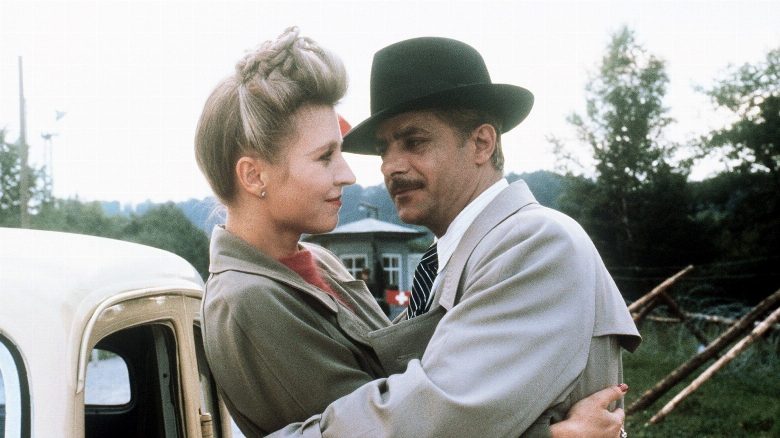
The story of a German singer named Willie, who while working in Switzerland, falls in love with a Jewish composer named Robert, whose family is helping people to flee from the Nazis. Robert’s family is skeptical of Willie, thinking she could be a Nazi as she becomes famous for singing the song “Lili Marleen”.
Rainer Werner Fassbinder remains one of the most enigmatic figures in the history of European art-house cinema, and his 1981 production Lili Marleen serves as a quintessential example of his obsession with the intersection of personal desire and oppressive political landscapes. Set against the backdrop of the Third Reich, the film functions as a stylized melodrama that explores the precarious position of a cabaret performer thrust into the heart of propaganda. While contemporary Indian audiences are increasingly accustomed to high-stakes historical dramas that navigate the complexities of national identity, this film offers a distinctively European perspective on how art can be weaponized by totalitarian regimes. The narrative centers on the tension between a celebrated vocalist and her clandestine connection to a Jewish activist, illustrating the impossible choices faced by those who find themselves caught in the machinery of war.
The film distinguishes itself by eschewing the typical grit of wartime storytelling in favor of a lush, theatrical aesthetic that highlights the artificiality of fame. By focusing on the titular song, which became a global anthem for soldiers on both sides of the conflict, the story examines how a simple melody can be co-opted to serve diverging political agendas. It is a compelling study of perception, particularly regarding how the protagonist is judged by her associates who view her public persona as an endorsement of the regime, despite her private moral compass. For viewers who appreciate the sophisticated emotional layering found in modern Malayalam or Tamil period pieces, this work provides a fascinating look at the psychological toll of public scrutiny during a period of extreme geopolitical instability.
Fassbinder demonstrates a masterful ability to portray the fragility of human relationships when they are forced to compete with historical momentum. The lead performance effectively captures the vulnerability of an artist whose success stems from a song that ultimately becomes a source of suspicion and danger. This is a must-watch for cinephiles who enjoy character-driven dramas where the stakes are elevated by the looming shadow of historical catastrophe. It challenges the audience to consider whether an individual can truly remain apolitical while their work is broadcasted to the masses. By stripping away the conventional heroics often found in war films, the production invites a more intimate exploration of loyalty, sacrifice, and the enduring power of music to bridge the divide between enemies and lovers alike.
Cast(25)