About The End of Meat
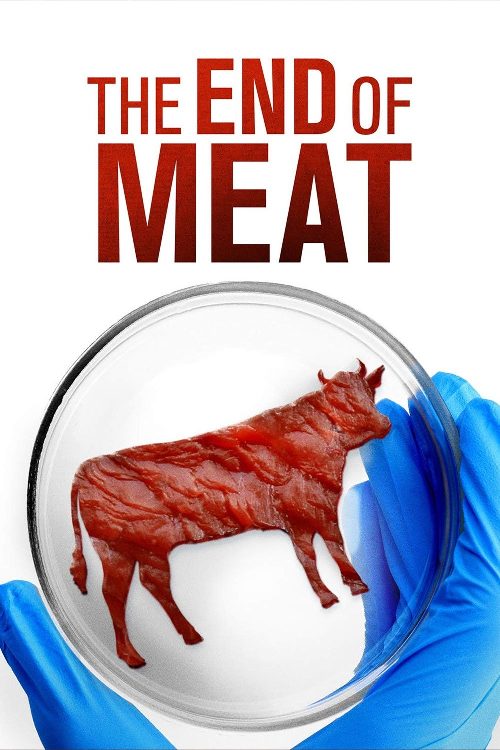
Although evidence of meat consumption's negative impact on the planet and on human health continue stacking up as animal welfare is on the decline, humanity's love affair with hamburgers, steaks, nuggets and chops just doesn't end. In The End of Meat, filmmaker Marc Pierschel embarks on a journey to discover what effect a post-meat world would have on the environment, the animals and ourselves. He meets Esther the Wonder Pig, who became an internet phenomenon; talks to pioneers leading the vegan movement in Germany; visits the first fully vegetarian city in India; witnesses rescued farm animals enjoying their newly found freedom; observes the future food innovators making meat and dairy without the animals, even harvesting "bacon" from the ocean and much more. The End of Meat reveals the hidden impact of meat consumption; explores the opportunities and benefits of a shift to a more compassionate diet; and raises critical questions about the future role of animals in our society.
Global cinema continues to evolve beyond traditional narratives, and Marc Pierschel’s 2017 documentary stands as a compelling entry point for viewers interested in the intersection of ethics, ecology, and modern dietary habits. While many films in this genre rely on aggressive shaming tactics, this German production takes a refreshingly inquisitive approach, framing the shift away from animal products not as a grim necessity but as a transformative opportunity. By balancing high-level scientific inquiry with intimate stories—such as the viral fame of Esther the Wonder Pig—the film invites audiences to envision a reality where the human relationship with livestock is fundamentally rewritten. It serves as a thoughtful bridge between cold, hard data regarding environmental degradation and the emotional resonance of animal sentience.
For audiences familiar with the vibrant culinary traditions of India, the film provides a fascinating global perspective, especially as it highlights the country's unique position as a hub for vegetarian innovation and practice. The narrative explores how traditional lifestyles in specific Indian regions align with contemporary global movements toward sustainability. It is particularly relevant for the modern Indian viewer who is increasingly navigating the tension between heritage diets and the rapid expansion of processed, meat-heavy convenience foods. As the industry grapples with the ethics of large-scale farming, this documentary positions itself as a vital piece of advocacy that feels less like a lecture and more like a curious exploration of what the next century of food production could look like.
The documentary is ideally suited for those who appreciate cinema that challenges their daily routines without sacrificing artistic vision. Whether you are a dedicated vegan, a curious flexitarian, or simply someone interested in the future of food technology, the film offers a non-judgmental platform to witness the rise of plant-based alternatives and the innovators working to replicate familiar textures without the traditional environmental cost. By showcasing everything from ocean-derived bacon alternatives to the quiet joy of sanctuary living, the film successfully makes a complex topic feel accessible. It is a must-watch for anyone who believes that the future of our planet is inextricably linked to what we choose to put on our plates, providing a balanced look at a movement that is rapidly moving from the margins to the mainstream.
Crew
Director of Photography
Similar Films