About Batang West Side
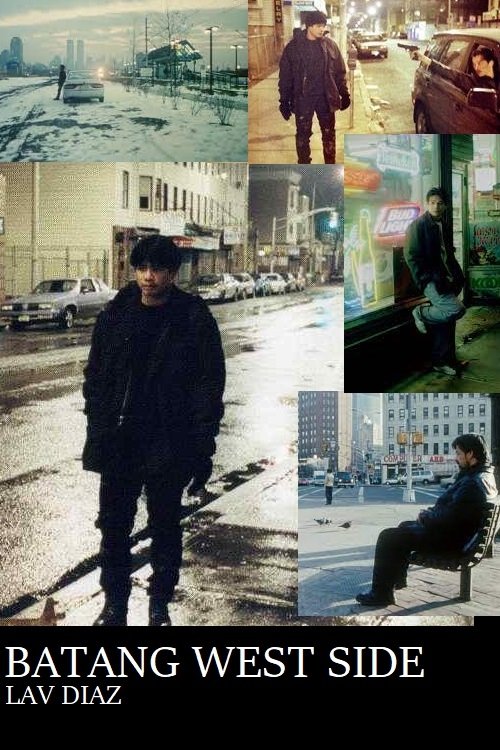
When a Filipino teen is found fatally shot on the streets of New Jersey, the investigation into his death reveals the struggles of the Filipino-American community, including the horrifying effects of methamphetamine on its youth.
The cold pavement of a New Jersey street serves as the grim starting point for a narrative that peels back the layers of the diaspora experience, moving far beyond a standard police procedural. Batang West Side captures the fractured identity of Filipinos living in the United States, positioning itself as a haunting exploration of displacement and the search for belonging. By focusing on the sudden death of a young boy, the film acts as a mirror reflecting the hidden fractures within immigrant enclaves, illustrating how the promise of a better life can occasionally transform into a cycle of despair and substance abuse. Unlike typical crime dramas that prioritize the mechanics of a case, this piece prioritizes the human cost and the cultural friction that often remains invisible to outsiders.
Director Lav Diaz is renowned for his mastery of slow cinema, and this early work demonstrates his signature commitment to patience and profound character observation. While many contemporary international films lean into fast-paced thrills, this project demands that the audience sit with the silence and the weight of its subjects. It is an essential watch for cinephiles who appreciate the intersection of global social issues and artistic filmmaking. The film is particularly resonant for those interested in the history of Filipino migration, as it depicts the specific pressures faced by families trying to maintain their heritage while navigating an environment that often treats them as ghosts in their own neighborhoods.
The strength of the film lies in its unflinching gaze, refusing to offer easy answers or moral comfort to the viewer. It portrays the struggle against the allure of narcotics not just as a personal failure but as a systemic symptom of a community feeling untethered from its roots. For those who track the evolution of Tagalog cinema, this work marks a pivotal moment where the focus shifted toward more expansive, challenging storytelling that embraces the complexities of the human condition. It is a dense, thoughtful, and deeply evocative piece of cinema that remains as relevant today as it was at the turn of the millennium. Audiences looking for a film that challenges their perspective on the immigrant experience while respecting the gravity of its subject matter will find this a compelling, if demanding, addition to their watchlist.
Cast(50)