About Qwerty
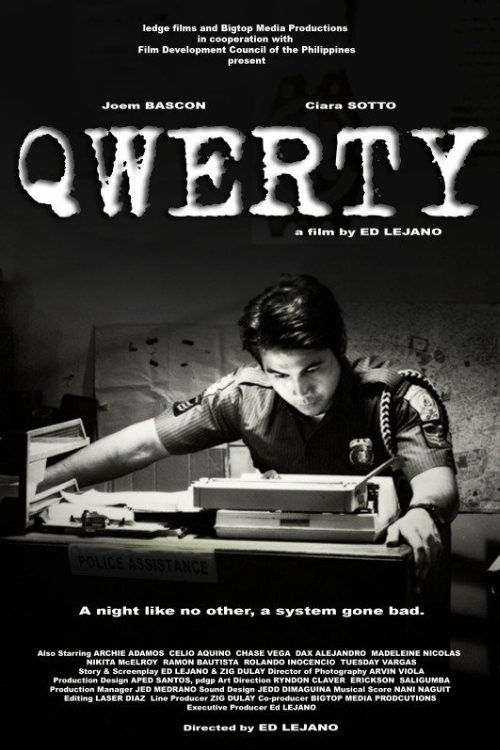
The movie is a fictionalized account of a disgruntled cop who has been wrongly implicated in a torture video that went viral. It begins on his last night of duty, as he is about to leave for abroad for better job prospects.
The digital age has fundamentally altered how we perceive justice and reputation, a theme masterfully explored in the 2012 drama Qwerty. Directed by Ed Lejano, this film captures the claustrophobic anxiety of an officer whose life is dismantled by the viral spread of a controversial video. Rather than relying on high-octane action, the narrative focuses on the psychological disintegration of a protagonist facing a career-ending accusation just as he prepares to abandon his post for greener pastures overseas. This shift from procedural thriller to intimate character study highlights the precarious nature of public perception in an era where a single digital footprint can erase decades of service.
For viewers who appreciate the gritty, grounded realism often found in contemporary independent cinema, this project serves as a compelling case study on the intersection of technology and human fallout. While the film operates outside the mainstream spectacle typical of larger regional industries, its exploration of institutional corruption and personal betrayal resonates with the thematic depth currently trending in global storytelling. The performance by Ramon Bautista provides a necessary anchor, grounding the film in a sense of weary desperation that elevates it above a standard crime drama. It is a work that demands the audience interrogate the difference between objective truth and the version of events that gains traction online.
This film is particularly well-suited for those who prefer cerebral dramas that eschew easy moral conclusions in favor of ambiguous, thought-provoking territory. Its focus on a man caught in a bureaucratic and social nightmare makes it a relevant watch for anyone interested in how individuals navigate systems that are designed to prioritize optics over integrity. By confining the narrative tension to the final hours of a transition period, Lejano creates a heightened sense of urgency that forces the lead character to confront his past choices while facing an uncertain future. Whether you are a fan of character-driven narratives or simply enjoy cinema that challenges the reliability of modern information, this piece offers a stark, memorable look at the cost of being caught in the glare of the digital spotlight.