
About Berlin is in Germany
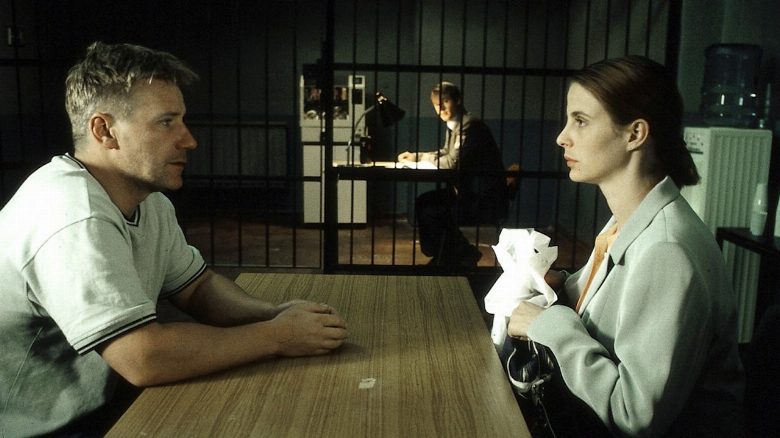
When Martin, a former GDR citizen, is released from jail, he lately becomes confronted with the consequences of the German re-unification.
Navigating the disorienting landscape of a country that has fundamentally transformed overnight is a challenge few films capture with as much nuance as Berlin is in Germany. While global audiences often associate post-reunification cinema with heavy-handed political dramas, Hannes Stöhr opts for a distinctive blend of dark humor and poignant character study. By focusing on a man returning to a city that exists only in name as the place he once called home, the film highlights the profound alienation felt by those who were effectively erased by the collapse of the Berlin Wall. This perspective feels particularly resonant for viewers accustomed to the complex socio-political tapestries of Indian regional cinema, where the friction between tradition and modernization frequently drives the narrative stakes.
The story centers on Martin, whose reentry into civilian life serves as a prism through which we observe the rapid, often jarring evolution of German society at the turn of the millennium. Unlike typical redemption narratives, this film refuses to offer easy answers about what it means to be a citizen in a state that has been replaced by an entirely new system. Dirk Borchardt delivers a performance defined by quiet bewilderment, making the audience feel the weight of his detachment as he wanders through a capital city that has moved on without him. It is a masterful exploration of the displacement that occurs when the geography remains the same but the ideological terrain shifts beneath your feet.
Fans of international indie cinema who appreciate character-driven storytelling will find much to admire here. It is an essential watch for those who enjoy films that prioritize atmosphere and psychological depth over conventional pacing. Much like the best works coming out of the Malayalam or Tamil industries that focus on the common man navigating systemic change, Berlin is in Germany treats its protagonist with empathy rather than pity. Stöhr manages to balance the bitter realities of historical transition with a grounded, humanistic approach that keeps the focus squarely on identity. Whether you are a student of European history or simply a cinephile looking for a reflective, thoughtful drama, this film remains a compelling look at the personal cost of political progress and the enduring struggle to redefine one's place in a world that no longer mirrors the past.