Beyond Silence(1996)
“About life, love and the sound of snow.”
About Beyond Silence
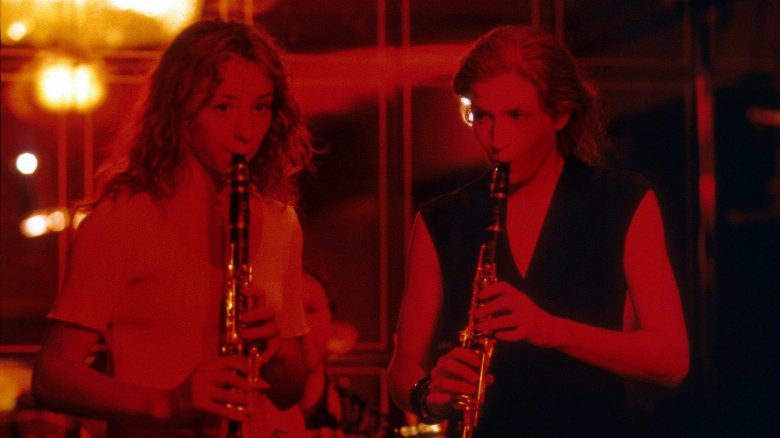
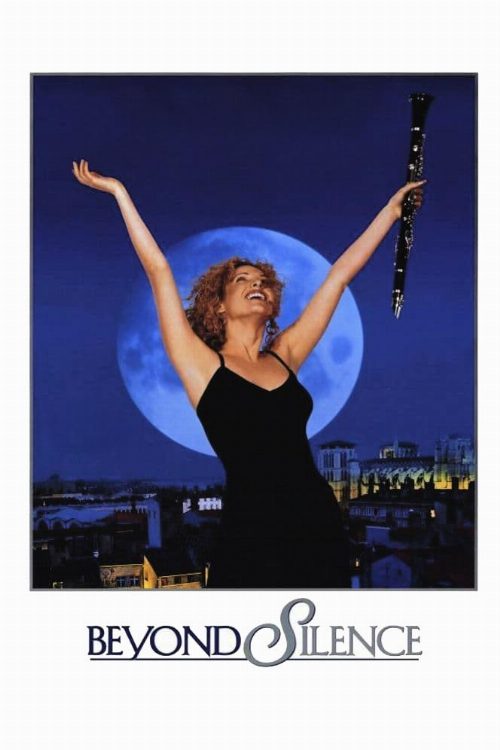
Beyond Silence is about a family and a young girl’s coming of age story. This German film looks into the lives of the deaf and at a story about the love for music. A girl who has always had to translate speech into sign language for her deaf parents yet when her love for playing music grows strong she must decide to continue doing something she cannot share with her parents.
The quiet hum of a winter landscape serves as the backdrop for Beyond Silence, a German drama that explores the intricate friction between familial obligation and individual passion. At the heart of the narrative is Lara, a young woman who serves as the vital linguistic bridge for her parents, who are both deaf. While many coming of age stories focus on the rebellion of youth against authority, this film offers a more nuanced examination of duty. Lara finds herself caught in a delicate balancing act, navigating a world where she is the primary interpreter for her family while simultaneously harboring a private, soaring ambition to pursue her own musical dreams. The film captures the specific tension of a protagonist who feels that her personal aspirations might inadvertently alienate the very people she has spent her entire life supporting.
This 1996 production stands out as a poignant study of sensory experience and communication. For audiences accustomed to the high-energy narratives found in contemporary Indian cinema, where music often serves as a grand, externalized expression of emotion, Beyond Silence offers a contemplative alternative. It reframes the role of sound, suggesting that music is not just an auditory phenomenon but a rhythmic, tactile force that transcends physical ability. The direction focuses on the intimacy of gesture and the weight of unspoken expectations, making it a compelling watch for those who appreciate character-driven dramas that prioritize emotional interiority over spectacle. It is a film that asks profound questions about whether one can truly belong to a community while keeping a part of oneself hidden behind a veil of silence.
The performances, particularly by Emmanuelle Laborit and Howie Seago, ground the story in a reality that feels both specific and universal. By highlighting the cultural nuances of the deaf community, the film avoids the pitfalls of melodrama, instead opting for a grounded approach to the barriers that exist between generations. Viewers who enjoy films that challenge their perspective on accessibility and identity will likely find this work deeply resonant. It remains a notable entry in European independent cinema, proving that even thirty years later, the struggle to balance familial love with the pursuit of a singular, personal calling remains a timeless human dilemma. Whether you are a fan of world cinema or simply seeking a story that treats its characters with profound empathy, this film provides a quiet yet powerful meditation on finding one's own voice within a chorus of others.
Cast(18)