About Bolero
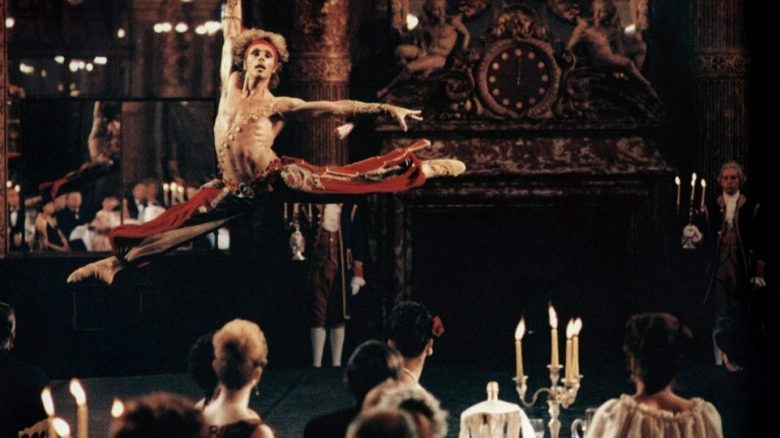
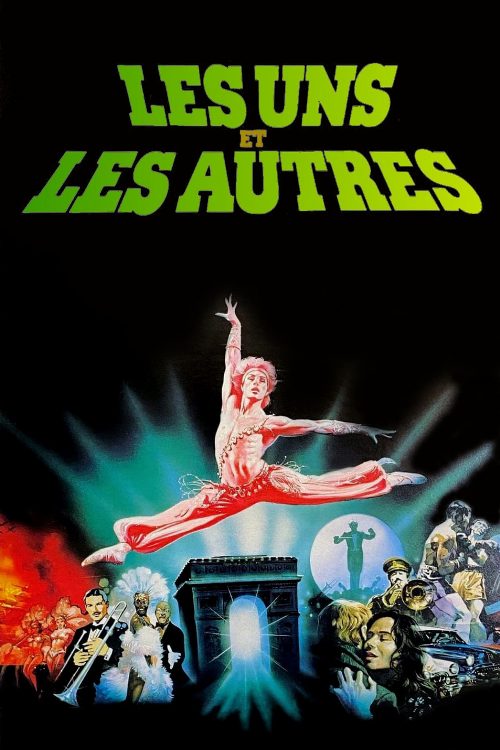
The film follows four families, with different nationalities (French, German, Russian and American) but with the same passion for music, from the 1930s to the 1960s. The various story lines cross each other time and again in different places and times, with their own theme scores that evolve as time passes. The main event in the film is the Second World War, which throws the stories of the four musical families together and mixes their fates. Although all characters are fictional, many of them are loosely based on historical musical icons (Édith Piaf, Josephine Baker, Herbert von Karajan, Glenn Miller, Rudolf Nureyev, etc.) The Boléro dance sequence at the end brings all the threads together.
Claude Lelouch has always possessed a penchant for sweeping, multi-generational narratives, and Bolero serves as a quintessential example of his ambition to weave human destiny into the fabric of history. Set against the turbulent backdrop of the twentieth century, the film tracks the parallel lives of four distinct families hailing from France, Germany, Russia, and the United States. While their geographic origins differ, they are united by a singular, consuming dedication to the arts. By centering the narrative on these musical lineages, the director explores how personal creative expression survives the trauma of global conflict. For viewers accustomed to the emotional depth found in modern Indian cinema, where music often serves as a narrative bridge between generations, this French drama will feel surprisingly familiar in its thematic texture. It captures the rhythm of life through the lens of history, moving from the pre-war era into the sixties with a fluidity that mirrors the evolution of the compositions themselves.
The film is particularly notable for its daring structural choices, as it resists a singular focus in favor of an expansive, interconnected tapestry. By drawing inspiration from the lives of legendary cultural icons like Edith Piaf and Herbert von Karajan, the story offers a fictionalized homage to the giants of the mid-century stage. This approach creates a unique viewing experience that functions as both a historical meditation and a celebration of musical legacy. For the international cinephile, the movie functions as an atmospheric time capsule, capturing the shifting moods of a century defined by both immense tragedy and profound artistic rebirth. The presence of an international cast, including Sharon Stone and James Caan, elevates the drama, grounding the abstract concepts of fate and legacy in recognizable, human performances.
Audiences who appreciate slow-burn dramas that prioritize mood and aesthetic elegance over traditional linear storytelling will find much to admire here. It is a work for those who view cinema as an auditory experience as much as a visual one, where the score is not merely background noise but a primary character in its own right. The way the film converges toward its climactic dance sequence demonstrates a mastery of pacing that has become a hallmark of European auteur cinema. Whether one is a scholar of film history or simply a fan of grand, operatic storytelling, this production remains a fascinating study in how global events shape individual passions. It stands as a testament to the idea that, regardless of borders or political allegiances, the universal language of melody remains our most enduring connection to one another.
Cast(40)