
Cabeza de Vaca(1991)
About Cabeza de Vaca
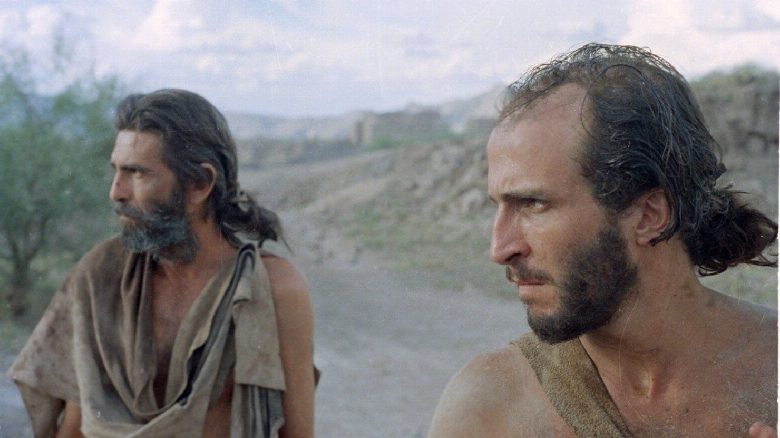
In 1528, a Spanish expedition flounders off the coast of Florida with 600 lives lost. One survivor, Alvar Nunez Cabeza de Vaca, roams across the American continent searching for his Spanish comrades. Instead, he discovers the Iguase, an ancient Indian tribe. Over the next eight years, Cabeza de Vaca learns their mystical and mysterious culture, becoming a healer and a leader. But soon this New World collides with the Old World as Spanish conquistadors seek to enslave the Indians, and Cabeza de Vaca must confront his own people and his past.
Few historical epics possess the haunting, visceral atmosphere of Cabeza de Vaca, a film that rejects the polished sheen of typical period dramas in favor of a raw and transformative journey. Directed by Nicolas Echevarria, the narrative strips away the traditional glory associated with sixteenth-century exploration, focusing instead on the spiritual and physical erosion of a man cast into an unforgiving wilderness. While modern Indian cinema often explores the clash between tradition and modernity through vibrant, song-filled narratives, this Spanish-language production offers a sobering, meditative counterpoint. It captures the essence of a colonial encounter not through the lens of battlefield triumph, but through the grueling, disorienting experience of a survivor forced to shed his identity to stay alive.
The film stands out for its commitment to sensory storytelling, utilizing a sparse, almost hallucinatory visual style to convey the protagonist’s descent into the unknown. Daniel Gimenez Cacho delivers a performance of immense restraint, portraying a man who is gradually unmade by his environment and reconstructed by the customs of the indigenous people he encounters. Unlike many Western-centric portrayals of exploration, this piece prioritizes the cultural psyche of the Iguase tribe, presenting their rituals and worldview as a profound, incomprehensible reality rather than mere exotic set dressing. It is a grueling watch, yet its deliberate pace rewards viewers who appreciate cinema that favors mood and internal change over frantic plot progression.
For audiences who admire the gritty, character-driven realism found in the works of contemporary auteurs like Vetrimaaran or Lijo Jose Pellissery, this film offers a similar sense of immersion into a hostile, unfamiliar landscape. It functions as a bridge between historical tragedy and metaphysical exploration, challenging the audience to consider the cost of survival when one is caught between two colliding civilizations. Those who gravitate toward films that prioritize atmosphere and historical introspection over explosive spectacle will find this to be an essential experience. By focusing on the psychological metamorphosis of its lead rather than the politics of conquest, the film remains a strikingly relevant exploration of how exposure to a foreign culture can permanently alter one’s humanity. Its influence persists in the way it frames historical narratives as intimate, personal struggles rather than grand, sweeping chronicles of state power.
Cast(14)