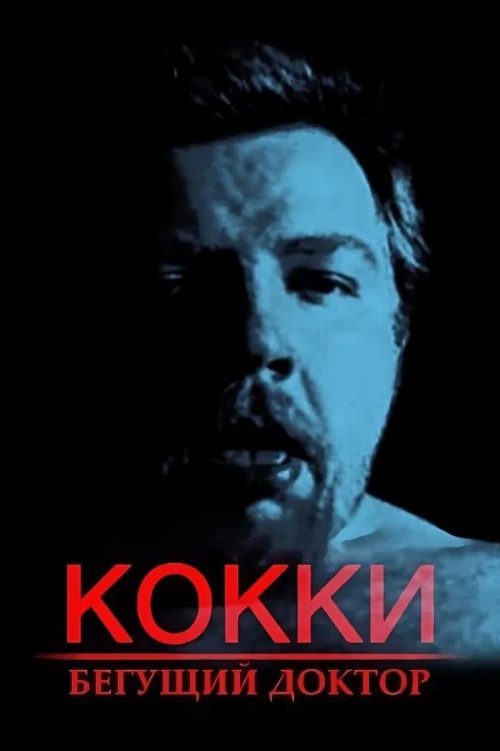
Cocky – The Running Doctor(1998)
About Cocky – The Running Doctor
Dr. Eugene has a goal - to perform the operation of his life. To do this, he escapes from a certain research institute of the brain and begins to look for the only person suitable for this purpose.
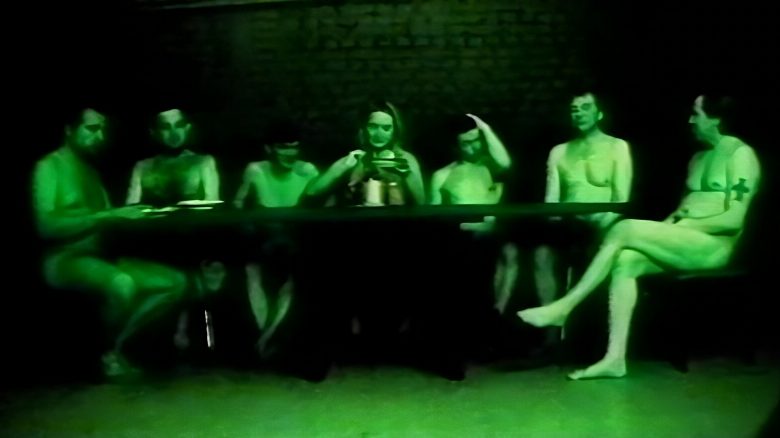
Svetlana Baskova occupies a singular space in the landscape of Russian underground cinema, and Cocky The Running Doctor stands as one of her most surreal explorations of the human condition. While Indian audiences are accustomed to the high-gloss production values of modern Tollywood or Bollywood, this 1998 feature offers a stark, jarring departure into the experimental fringes of genre-bending storytelling. By fusing elements of horror, science fiction, and dark comedy, the film captures a chaotic energy that feels disconnected from traditional narrative structures. It centers on a rogue medical practitioner named Eugene who abandons his institutional post to hunt for a specific human subject, driven by a singular, obsessive ambition to execute a career-defining surgical procedure that defies conventional ethics.
The film functions as a bizarre character study rather than a standard thriller, reflecting the bleak, low-budget aesthetic that defined much of the post-Soviet artistic underground during that era. For viewers who appreciate the offbeat sensibilities of auteur cinema, this piece offers a fascinating look at how filmmakers in the late nineties utilized extreme, discomforting themes to challenge viewer expectations. Unlike the structured, emotionally resonant dramas found in Malayalam or Tamil industries, this project relies on a grotesque, almost feverish tone to maintain its momentum. The performance of Imperator VAVA provides the necessary intensity to anchor the film, as he portrays a man whose professional detachment has spiraled into a dangerous, megalomaniacal quest.
This production is clearly intended for a niche audience, specifically those who enjoy avant-garde horror or cult classics that favor atmosphere and psychological distortion over polished plot points. It is not a film designed for mass appeal, but rather a provocative artifact of a specific time in Russian history where artistic expression was unconstrained by commercial trends. Those interested in the evolution of independent cinema will likely find the film’s erratic pacing and unsettling visuals to be a compelling case study in low-budget ingenuity. By prioritizing raw, unfiltered vision over traditional cinematic polish, Baskova ensures that the audience remains in a constant state of unease. It is a bold, challenging work that remains a curious footnote for global cinema enthusiasts who seek out the strange, the obscure, and the deeply unconventional side of storytelling.
Cast(10)