About Stalker
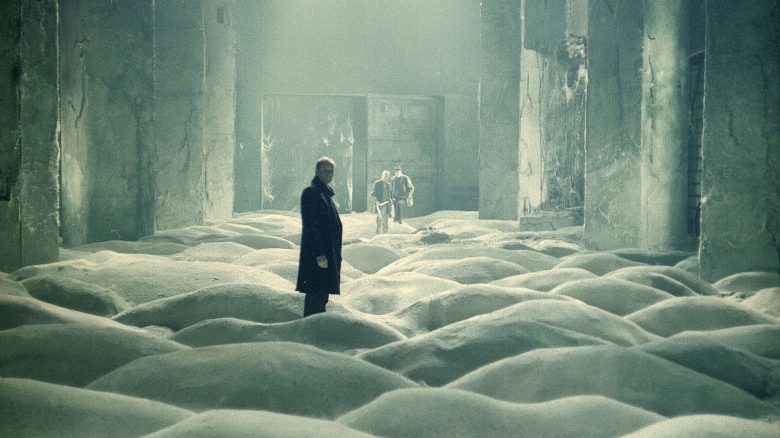
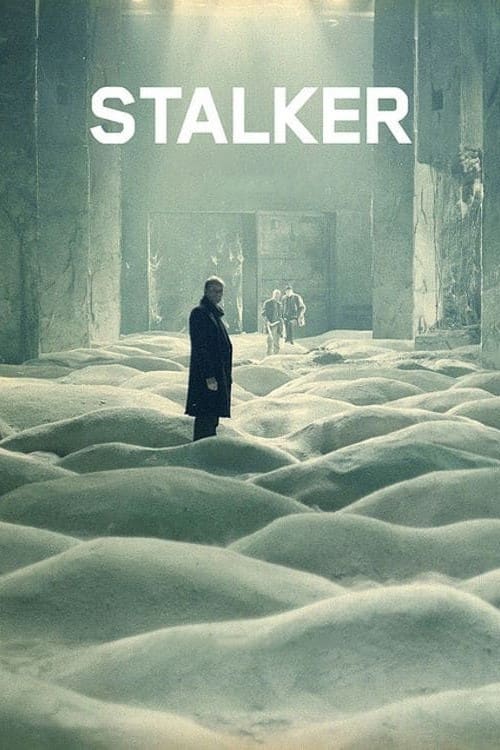
Near a gray and unnamed city is the Zone, a place guarded by barbed wire and soldiers, and where the normal laws of physics are victim to frequent anomalies. A stalker guides two men into the Zone, specifically to an area in which deep-seated desires are granted.
Decades before the modern obsession with cinematic universes and high-octane spectacle, Andrei Tarkovsky crafted a meditative masterpiece that remains the gold standard for philosophical science fiction. Stalker invites audiences into a desolate, decaying landscape where the environment itself feels like a sentient participant in the human drama. Unlike contemporary genre films that rely on frantic editing or digital explosions, this Russian classic operates through deliberate pacing and long, hypnotic takes. It follows a professional guide who leads two intellectual travelers into a restricted, mysterious territory where the physical world bends according to internal intentions. The result is a slow-burn experience that prioritizes existential inquiry over traditional plot beats, positioning it as a profound meditation on faith, longing, and the limits of human understanding.
For viewers who appreciate the intellectual rigor often found in the best of parallel cinema, this film serves as an essential touchstone. Its influence is visible across global landscapes, echoing in the atmospheric storytelling of modern auteurs who prioritize mood and thematic depth over conventional narrative structures. In the context of Indian cinema, where directors like Mani Ratnam or Vetrimaaran have occasionally toyed with surrealistic landscapes and heavy metaphorical weight, Stalker stands as the ultimate reference point for how to build a world that is both grounded in grit and steeped in metaphysical mystery. It is a film for those who prefer to contemplate the nature of their own aspirations rather than follow a linear path toward a tidy resolution.
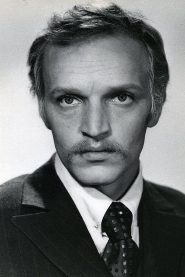
The performances by Mykola Hrynko and Alisa Freyndlikh ground the ethereal premise in raw, palpable humanity, ensuring that the heavy philosophical lifting never feels detached from real emotion. By stripping away the bells and whistles of standard genre fare, Tarkovsky forces the audience to confront the emptiness and the abundance within the human spirit. Those who enjoy films that challenge their perception of reality will find the journey into the Zone both disquieting and deeply rewarding. It is not merely a story about reaching a destination; it is a rigorous examination of the motivation behind the journey itself. As the trio navigates the haunting, overgrown ruins, they are forced to reconcile their stated desires with the true, often hidden, contents of their hearts. This remains a towering achievement in global cinema, demanding patience from the viewer but offering a transformative perspective in return.
Cast(9)