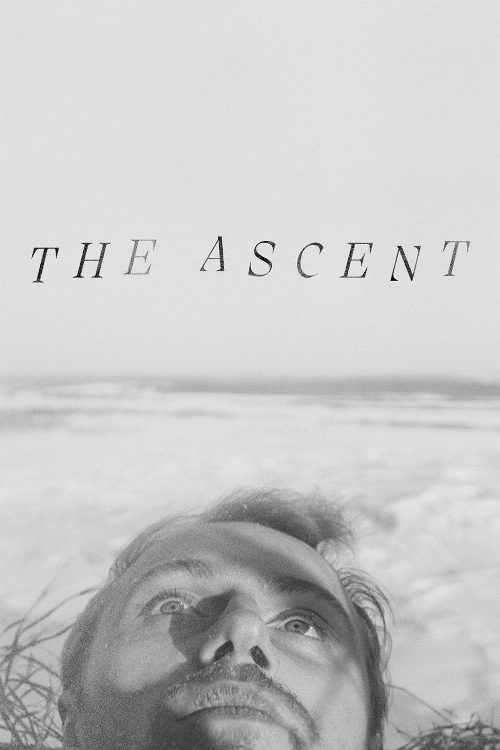
About The Ascent
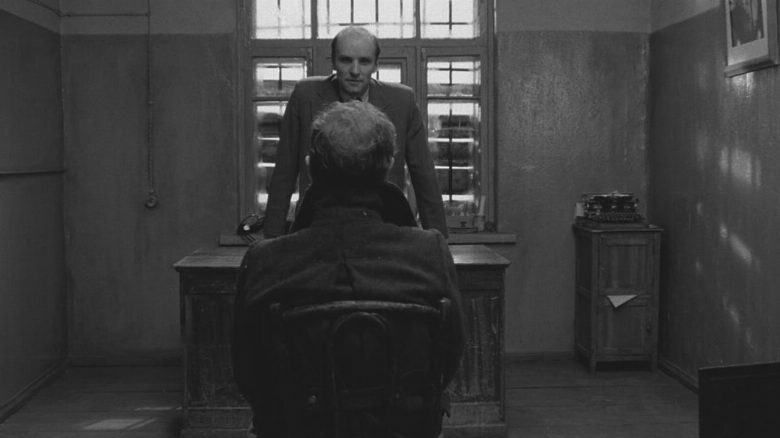
Two Soviet partisans leave their starving band to get supplies from a nearby farm. The Germans have reached the farm first, so the pair must go on a journey deep into occupied territory, a voyage that will also take them deep into their souls.
Larisa Shepitko crafted a masterpiece of moral intensity with The Ascent, a film that transcends the typical boundaries of war cinema to operate as a harrowing psychological inquiry. Set against the brutal backdrop of Nazi-occupied Belarus during the Second World War, the narrative follows two partisans who venture out into a frozen, unforgiving landscape in search of sustenance. What begins as a desperate mission for survival quickly transforms into a profound exploration of human endurance, betrayal, and the nature of sacrifice. By focusing on the internal landscape of its protagonists rather than just the tactical maneuvers of combat, the film achieves a spiritual weight that remains rare in the genre, forcing the audience to confront the heavy cost of maintaining one's integrity when faced with absolute evil.
For viewers accustomed to the high-octane spectacle of modern action films, The Ascent offers a striking contrast through its stark, black-and-white cinematography and its deliberate, meditative pacing. The film occupies a significant place in the history of Soviet cinema, reflecting a period where filmmakers were increasingly interested in the philosophical implications of conflict rather than just nationalistic propaganda. Its influence can be seen in the way contemporary directors across global industries, including those working in the intense, gritty dramas of Indian regional cinema, approach themes of isolation and moral ambiguity. The performances by Boris Plotnikov and his co-stars are remarkably restrained yet deeply felt, grounding the ethereal, almost biblical quality of the storytelling in the cold, harsh reality of their surroundings.
This film is essential viewing for those who appreciate cinema that demands active contemplation rather than passive consumption. It is not a comfortable watch, nor is it intended to be, as it strips away the artifice of wartime heroism to reveal the fragile, pulsating essence of the human spirit. Those who enjoy character-driven dramas that question the limits of loyalty will find much to admire in Shepitko’s vision, which remains as haunting today as it was upon its original release. By choosing to center the narrative on a test of character rather than a battlefield victory, the director created a timeless piece of art that serves as a sobering reminder of what it truly means to remain human in a world defined by inhumanity. It stands as a testament to the power of the director’s singular vision and remains a benchmark for how historical trauma can be distilled into a deeply personal, universal experience.
Cast(30)