How I Ended This Summer(2010)
About How I Ended This Summer
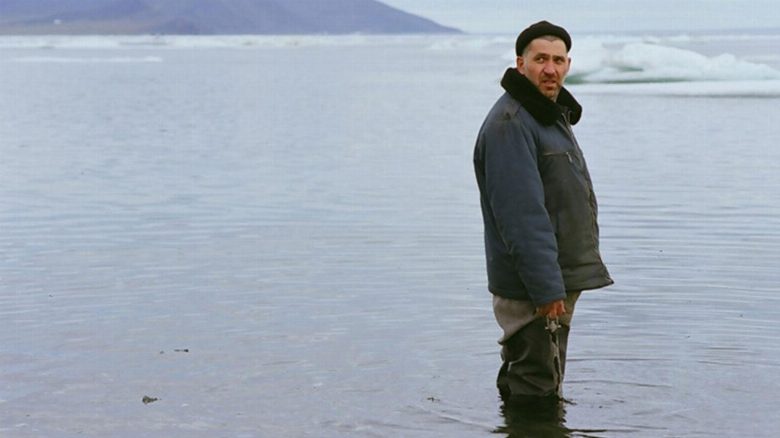
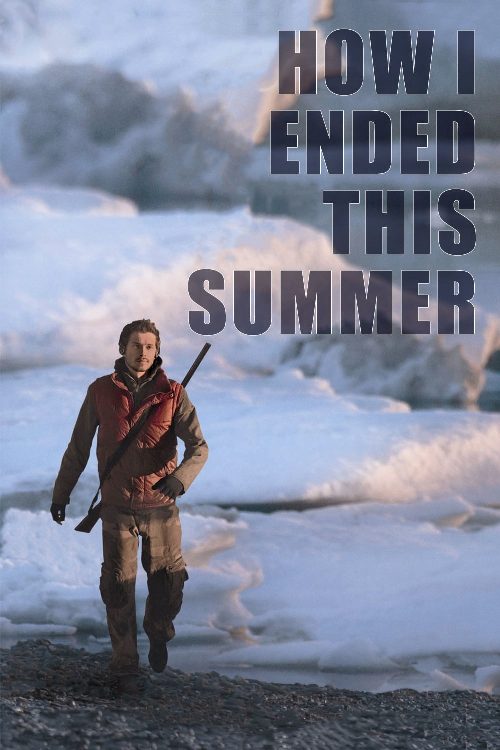
polar station on a desolate island in the Arctic Ocean. Sergei, a seasoned meteorologist, and Pavel, a recent college graduate, are spending months in complete isolation on the once strategic research base. Pavel receives an important radio message and is still trying to find the right moment to tell Sergei, when fear, lies and suspicions start poisoning the atmosphere...
Set against the hauntingly beautiful and unforgiving backdrop of the Arctic, How I Ended This Summer remains a masterclass in psychological tension that transcends its Russian origins. Director Alexey Popogrebsky strips away the excess typical of modern thrillers, focusing instead on the raw vulnerability of two men forced into an unnatural proximity. While Indian cinema audiences are accustomed to high-octane dramas that often rely on elaborate musical numbers or grand set pieces to convey emotional stakes, this film finds its power in the crushing silence of a desolate research station. It serves as a fascinating study of how extreme isolation can erode the human psyche, turning a routine scientific assignment into a powder keg of unresolved secrets and unspoken anxieties.
The narrative dynamic hinges on the generational and temperamental divide between a veteran meteorologist and his impressionable younger counterpart. As they monitor weather patterns on an island that feels disconnected from the rest of the world, a single piece of withheld information shifts the power balance entirely. For viewers who appreciate the slow-burn intensity found in acclaimed Malayalam or auteur-driven Hindi dramas, this film offers a similar experience of internal combustion. It is not interested in external action but rather in the way a small lie can fester, transforming a mentor-protégé relationship into a game of cat and mouse where the environment itself acts as an indifferent witness.
This film is essential viewing for those who prefer cerebral storytelling over spectacle. It demands patience, rewarding the audience with a profound look at how fear dictates our moral compass when we are stripped of societal checks and balances. The performances by Sergey Puskepalis and Grigory Dobrygin are grounded and nuanced, capturing the subtle shift from professional camaraderie to agonizing suspicion. By situating the drama in such an inhospitable climate, Popogrebsky elevates a simple premise into a visceral exploration of conscience. It is a haunting, atmospheric piece of work that lingers long after the credits roll, proving that the most effective threats are often the ones we foster within our own minds. Whether you are a fan of world cinema or simply someone who enjoys a tautly crafted character study, this arctic survival story remains a significant entry in contemporary drama that challenges the limits of human endurance and honesty.