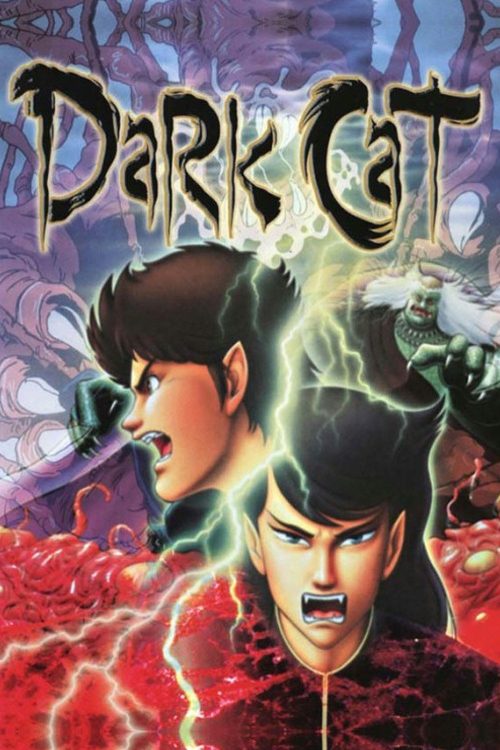
About Dark Cat
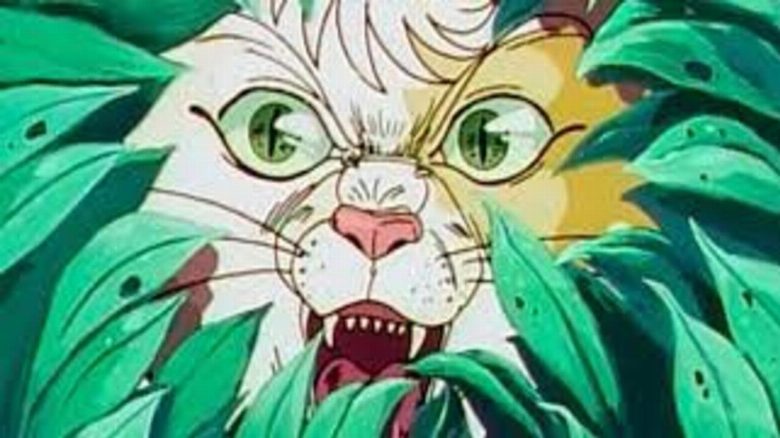
Hyoi and Rui, two inhuman brothers with the powers of the Dark Cat, a spiritual martial art that allows them to sense supernatural beings and turn into cats, are caught up in a dilemma involving their Dark Cat master, Jakokubo, who plans to summon the evil in humans as a tremendous feast for himself and his power. What do a group of local high schoolers have to do with his nefarious plans, and will the Dark Cat brothers be able to save their newfound friends from certain danger?
Stepping into the eerie, shadow-drenched atmosphere of 1991 Japanese animation, Dark Cat offers a fascinating glimpse into the darker corners of the supernatural genre during a formative decade for anime. While contemporary global audiences are accustomed to the polished, high-budget aesthetic of modern streaming hits, this production carries the gritty, visceral charm of late eighties and early nineties horror-fantasy. The narrative centers on a pair of brothers who possess the unique ability to channel feline-like supernatural attributes, a premise that feels refreshingly eccentric even by today’s standards. Directed by Iku Suzuki, the film navigates a precarious balance between martial arts kineticism and haunting occult themes, placing it in a distinct category compared to the sweeping epic fantasies often exported from the region.
For fans of Indian cinema who appreciate the growing trend of mythological horror and supernatural thrillers, Dark Cat serves as a stylistic precursor to the kind of atmospheric storytelling currently flourishing in the Telugu and Malayalam industries. Much like films that blend local folklore with modern-day dilemmas, this Japanese cult classic utilizes the mundane setting of a high school to ground its bizarre, otherworldly conflict. The story positions its protagonists as reluctant guardians caught between their loyalty to a mentor and the moral necessity of protecting human lives from a parasitic spiritual threat. It is an ideal watch for viewers who enjoy vintage animation that prioritizes mood and grotesque character design over the glossy, digital precision of current animation trends.
The film stands out primarily because of its strange tonal shifts, oscillating between moments of teenage vulnerability and intense, otherworldly combat. By focusing on the bond between brothers who are fundamentally disconnected from humanity, the director crafts a sense of alienation that resonates throughout the runtime. Whether you are a dedicated collector of animation history or simply a cinephile looking for a hidden gem from the early nineties, this work provides a sharp, concise exploration of internal corruption and the cost of power. It remains a notable relic of the era, reflecting a period when Japanese creators were unafraid to push the boundaries of what animation could achieve in terms of psychological tension and supernatural dread. For those who value the legacy of international genre cinema, this remains an essential, albeit lesser-known, chapter in the evolution of dark fantasy.
Cast(14)