About Days of Heaven
In 1916, a Chicago steel worker accidentally kills his supervisor and flees to the Texas panhandle with his girlfriend and little sister to work harvesting wheat in the fields of a stoic farmer.
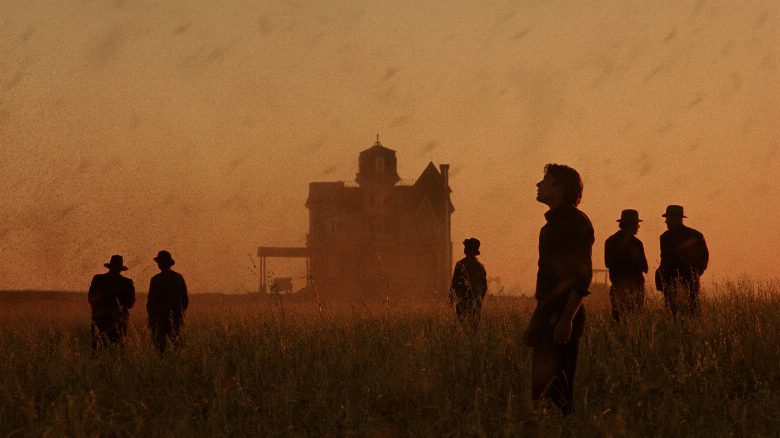
Terrence Malick masterfully transforms the vast, golden plains of the Texas Panhandle into a haunting canvas where human desperation and natural grandeur collide. Set against the backdrop of the early twentieth century, this visually arresting drama observes a trio of displaced urbanites who seek refuge in the grueling, rhythmic labor of a massive wheat harvest. The narrative centers on a precarious deception, as a man and his companion masquerade as siblings to secure work on the sprawling estate of a reserved landowner. This choice creates a simmering tension that permeates every frame, elevating a simple tale of survival into a meditation on longing, greed, and the fleeting nature of prosperity. Unlike the high-octane dramas often dominating modern Indian cinema, the film operates with a quiet, meditative intensity, favoring atmosphere and subtext over dialogue-heavy expositions.
The film stands as a benchmark for aesthetic storytelling, capturing the elusive magic hour light with a precision that has influenced generations of cinematographers across global industries, including the masters of visual framing in Malayalam and Telugu independent cinema. For viewers who appreciate the slow-burn character studies found in the works of directors like Mani Ratnam or the atmospheric depth of contemporary auteur-driven projects, this story offers a profound experience. It eschews the typical structure of romantic tragedy, instead focusing on the internal landscape of its leads as they grapple with the consequences of their moral compromises. The environment itself becomes a character, with the endless fields representing both an escape from the grit of industrial Chicago and a gilded cage for those attempting to manipulate fate.
Audiences who prioritize sensory immersion and poetic pacing will find this work particularly compelling. It represents a rare moment where a filmmaker captures the tactile reality of manual labor while simultaneously exploring the ephemeral nature of human relationships. By shifting the focus away from traditional heroics, the production invites the viewer to witness the quiet unraveling of lives built on fragile foundations. Whether one is a student of classic American cinema or a fan of regional films that prioritize visual storytelling over conventional scripts, the film remains an essential viewing experience. It serves as a stark reminder that some of the most powerful dramas do not require grand gestures, but rather the patience to observe the subtle fractures in the lives of those caught between their dreams and the unforgiving reality of their surroundings.
Cast(17)