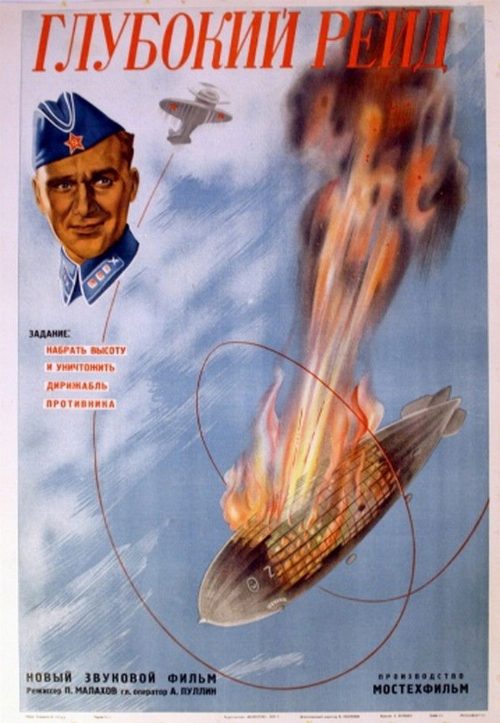
About Deep Raid
Watching Deep Raid feels like peering through a dusty glass lens into the mid-thirties Soviet cinematic machine, where the language of warfare was being actively codified for a global audience. Released in 1937, this production serves as a fascinating artifact for enthusiasts of early military propaganda and historical dramaturgy. While contemporary audiences familiar with the high-octane spectacles of modern Indian cinema might find the pacing deliberate, there is an undeniable technical ambition here that bridges the gap between silent era theatricality and the burgeoning sound-on-film realism of the period. By focusing on the strategic maneuvers and ideological fervor of the era, the film functions less as a character study and more as a grand demonstration of institutional power, reflecting the intense geopolitical anxieties that gripped Eurasia just before the onset of total war.
The narrative centers on an expansive aerial and ground maneuver, positioning the military apparatus as a singular, unstoppable protagonist. Fans of vintage classics will recognize the influence of early montage theory, where the editing choices are designed to evoke patriotic fervor rather than intimate human connection. For those accustomed to the star-driven narratives of modern Telugu or Hindi blockbusters, the performance style here will feel starkly different, as the ensemble cast led by Konstantin Bartashevich prioritizes collective discipline over individual bravado. It is a stark contrast to the hero-centric templates often found in today’s regional Indian hits, yet it provides a crucial historical touchstone for understanding how nations utilize motion pictures to articulate their military doctrines and national identity.
Ultimately, Deep Raid is a destination for the dedicated cinephile interested in the evolution of the war genre. It offers a glimpse into a time when flight and mechanization were treated as miraculous advancements, framed with a sense of awe that modern audiences rarely experience. The direction by the creative team behind this project highlights the limitations and the pioneering spirit of the decade, making it a valuable inclusion in any deep dive into global film history. Viewers who appreciate the formalistic rigor of classic international cinema will find much to analyze, even if the thematic concerns feel firmly rooted in the specific political climate of the late thirties. It remains a stark, visually informative piece of archival work that reminds us how cinema has long been the primary tool for shaping public perception of the battlefield.