About Divorce
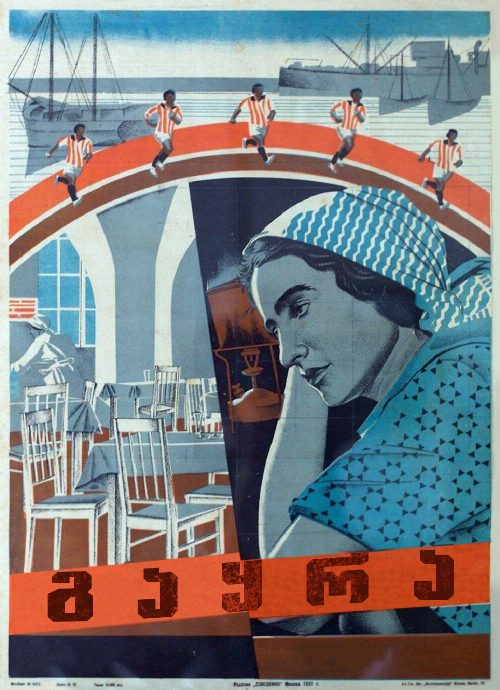
Agricultural machinery is being unloaded from a ship at the Batumi port. The chairman of the collective farm asks the loaders to unload them first, due to the need to carry out work in the countryside on time. The loaders demand additional pay. Angered by the behavior of their senior comrades, the Komsomol members, led by Beso, unload the machinery themselves. After that, the old loader, Sergo, becomes angry with Beso. His daughter Kato marries Beso against her father's will. But Beso, like Sergo, forbids Kato from getting involved in public life. He only wants his wife as a domestic servant. Kato returns to his father with his son. Meanwhile, there are changes at the port. Due to mechanization, the loaders' work is significantly lighter. Sergo reconciles with Beso. The young people also reconcile. Kato starts working at a public canteen.
Rarely does cinema from the early sound era offer such a poignant glimpse into the shifting sands of domestic and labor relations as the 1930 drama Divorce. Directed by Giorgi Makarov, this film serves as a fascinating time capsule, capturing the friction between traditional patriarchal expectations and the encroaching tide of modernization within a port city environment. By centering its narrative on the tension between manual laborers and the arrival of new agricultural machinery, the story moves beyond simple workplace drama to explore how institutional progress often clashes with the deeply ingrained habits of the household. It is a work that feels remarkably relevant even today, as it dissects the struggle for personal autonomy within a marriage where one partner seeks to limit the other to the private sphere.
For audiences who enjoy the rich social dramas characteristic of global cinema history, Divorce provides a compelling look at how regional identity and economic change intersect. While the film is rooted in a specific historical moment, the interpersonal conflict between the characters resonates with the same emotional stakes found in modern Indian dramas that tackle the transition from conservative family structures to more egalitarian professional lives. The chemistry between Kirile Macharadze and Aleksandra Toidze anchors the story, grounding the broader political themes in a relatable, intimate struggle. Viewers who appreciate slow-burn character studies that prioritize psychological realism over melodramatic flair will find much to admire in the measured pacing and authentic atmosphere established by Makarov.
The significance of the film lies in its ability to mirror the societal shifts of its time, presenting a portrait of a community grappling with the dual pressures of labor reform and gender equality. By juxtaposing the physical demands of port work with the domestic duties expected of Kato, the film invites the audience to consider the cost of progress on personal relationships. It is an essential watch for cinephiles interested in the evolution of world cinema, offering a window into how filmmakers of the 1930s navigated the complex relationship between the individual and the changing world. Whether one is drawn to its historical significance or its timeless exploration of marital power dynamics, the film remains a thoughtful examination of the human capacity to adapt, reconcile, and ultimately redefine one's role within a rapidly transforming landscape.