About Girl of the Mountains
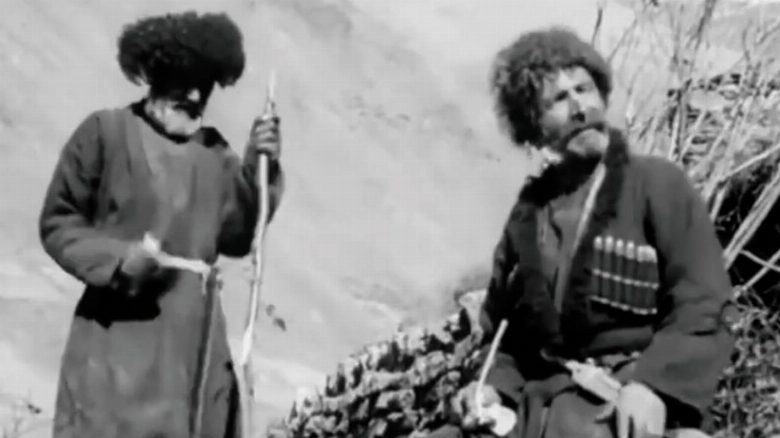
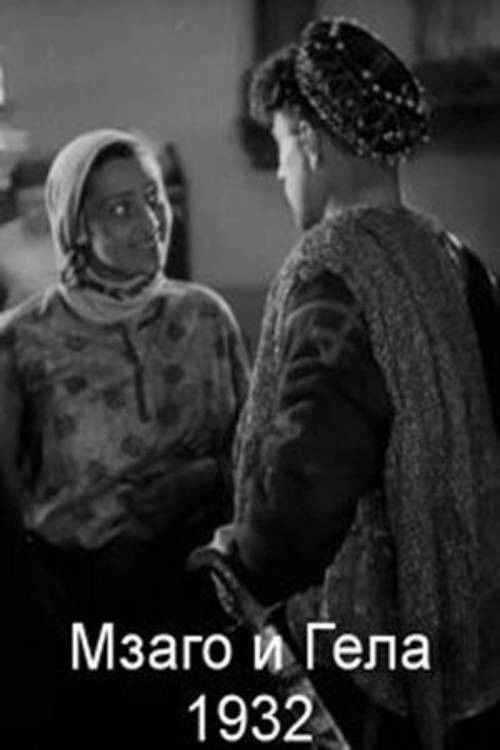
Mzago is an adventurous Khevsurian highlander who is fascinated by the radio, embraces changing times and sets off to the big city. Her suitor, Gela, is a less adventurous Khevsurian who decides to follow her.
The cinematic landscape of the early 1930s often favored grand epics or stylized social commentary, yet Girl of the Mountains carves out a distinct niche by focusing on the intimate friction between traditional highland heritage and the magnetic pull of urban modernization. Set against the rugged backdrop of the Khevsurian region, the film captures a pivotal moment of cultural transition through the eyes of Mzago, a protagonist whose curiosity about contemporary technology serves as the primary catalyst for her departure from rural life. While many films of this era relied heavily on static theatrical staging, this production utilizes the vast, challenging terrain of its setting to mirror the internal journey of its lead, positioning the mountains not just as a backdrop, but as a silent antagonist to the inevitability of progress.
This drama functions as a fascinating period piece for viewers interested in how early global cinema portrayed the clash between patriarchal village customs and the budding independence of women. The narrative dynamic between Mzago and her persistent suitor, Gela, provides a classic study in opposing reactions to change. While Mzago represents a forward-looking spirit eager to integrate into the city, Gela embodies the tether of tradition, trailing behind her in an attempt to reclaim the status quo. For modern audiences, the film offers a compelling window into a bygone era of regional filmmaking, where the simplicity of the premise allows for a deep exploration of character motivation. It is particularly resonant for those who appreciate historical dramas that prioritize human agency over melodrama.
Director Lev Push manages to anchor the film with a sense of place that feels remarkably tactile, even by modern standards. The cast, led by Rimma Mkheidze and Aleqsandre Tsitlidze, brings a grounded quality to the performances that prevents the story from slipping into mere caricature. Because the film avoids the heavy-handed didacticism common in social dramas of the 1930s, it remains an accessible watch for enthusiasts of classic international cinema. It serves as an essential entry for anyone tracking the evolution of the road-trip narrative, or simply those curious about how early filmmakers grappled with the rapid industrialization of the early twentieth century. By focusing on a singular quest for identity, the film transcends its specific geographic roots to speak to a universal desire for self-determination.