
About Stay with Me
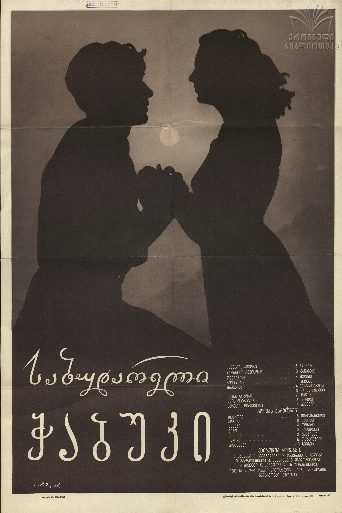
The sad love story between singer Keti and student Nika.
The poignant resonance of Stay with Me rests in the delicate friction between youthful idealism and the weight of established social expectations. By focusing on the intimate connection between a professional vocalist and a young scholar, the film avoids the grand, sweeping gestures often found in mainstream romantic dramas, opting instead for a quieter, more observational approach to human devotion. This 2011 production, helmed by director Zaza Urushadze, feels particularly relevant today as audiences continue to seek out character-driven narratives that prioritize emotional authenticity over conventional plot mechanics. While it operates within the framework of a classic love story, the film functions more as a meditative study on how individuals navigate the boundaries of their own desires when faced with the inevitable complexities of maturation.
For viewers who appreciate the stylistic sensibilities of international cinema, this work offers a compelling look at the cultural textures of its setting, providing a window into a world where personal aspirations are constantly measured against the backdrop of community and artistic commitment. The chemistry between the leads is pivotal, as they portray a bond that is as fragile as it is intense, capturing the distinct vulnerability that defines early adulthood. Those who gravitate toward films that examine the quiet tragedy of missed opportunities or the bittersweet nature of fleeting connections will find this experience deeply rewarding. It serves as a stark reminder of how life choices are rarely simple, often forcing us to reconcile who we are with who we believe we must become.
Zaza Urushadze demonstrates a clear command of tone here, ensuring that the heavy themes of longing and separation never devolve into mere melodrama. The director succeeds in grounding the narrative in a reality that feels both grounded and universal, appealing to a global audience that values nuanced storytelling. By stripping away the artifice often associated with the romance genre, the film invites the viewer to reflect on their own experiences with affection and the difficult decisions that define our personal histories. Whether one is a seasoned devotee of international art-house projects or simply someone looking for a narrative that treats its subjects with profound dignity, this film stands as an evocative piece of cinema that lingers in the mind long after the final frame. It is an essential watch for anyone interested in the intersection of music, memory, and the inevitable evolution of the human heart.