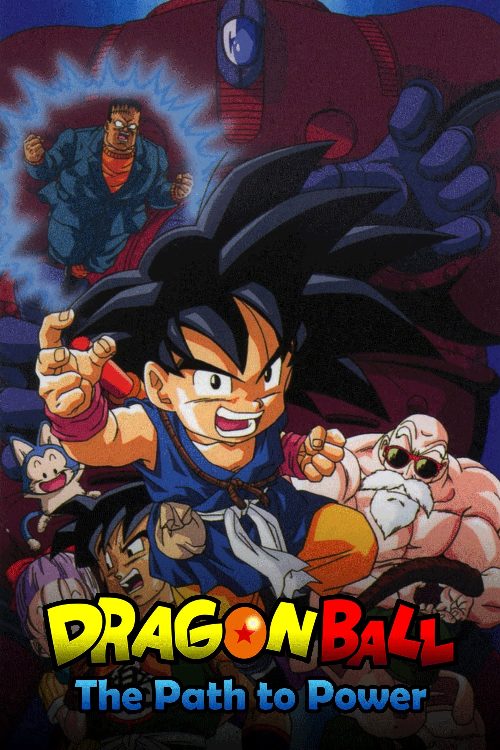
Dragon Ball: The Path to Power(1996)
About Dragon Ball: The Path to Power
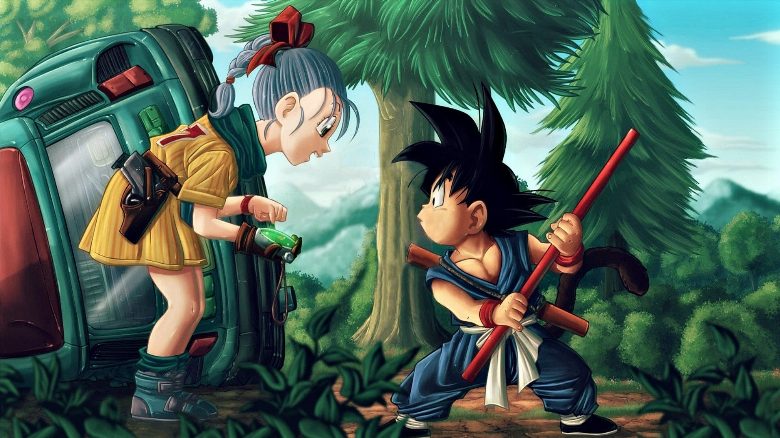
A retelling of Dragon Ball's origin with a different take on the meeting of Goku, Bulma, and Kame-Sen'nin. It also retells the Red Ribbon Army story; but this time they find Goku rather than Goku finding them.
Long before global audiences became obsessed with the expansive lore of modern anime blockbusters, Toei Animation delivered a refined distillation of a legendary journey that captured the spirit of early adventure serials. Dragon Ball: The Path to Power serves as a vibrant, standalone reimagining of the franchise beginnings, stripping away the bloat of multi-season narratives to focus on the raw kinetic energy of Akira Toriyama’s iconic character designs. By blending the initial quest for the mystical orbs with a more menacing iteration of the Red Ribbon Army, the film functions as a self-contained epic that highlights the innocence of Goku against the cold, industrial threat of his adversaries. It stands out in the vast library of 1990s animation for its surprisingly polished visual aesthetic, which feels both nostalgic and distinctly elevated compared to the standard television output of that decade.
For viewers who grew up with the high-stakes battles of later sagas, this feature offers a refreshing look at the series roots, prioritizing whimsical exploration and physical comedy over endless power-scaling. The shift in perspective regarding the primary antagonists provides a darker, more calculated edge to the narrative, positioning the military force as a proactive threat that tracks our young hero across treacherous landscapes. It is an ideal entry point for those curious about the roots of shonen tropes, as it encapsulates the fundamental charm of the source material while maintaining a brisk, cinematic pace. The film manages to balance the slapstick humor synonymous with Kame-Sen'nin with the genuine sense of wonder that defined the early days of the search for the dragon balls.
This production remains a benchmark for how to successfully condense a sprawling mythology into a single feature-length experience. While modern Indian cinema continues to explore grand mythological retellings and superhero origins, the structural simplicity and character-driven focus of this 1996 release offer a masterclass in foundational storytelling. Fans of classic animation will appreciate the hand-drawn fluidity and the distinct artistic choices that made this era of Toei production so memorable. Whether you are a long-time devotee of the franchise or a newcomer intrigued by the evolution of global animation trends, this reimagining remains a testament to the enduring appeal of a simple hero on a vast, unpredictable journey. It proves that even the most well-known legends can feel fresh when viewed through a lens that values atmosphere and character development above all else.
Cast(14)