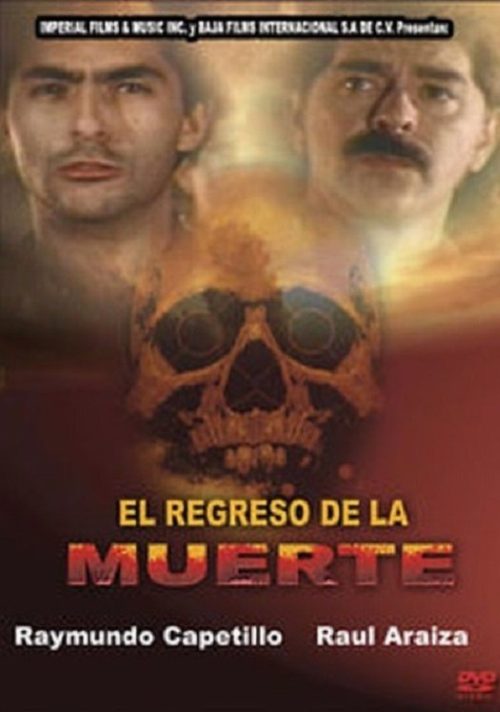
About El Regreso de la Muerte
While the global cinematic landscape of the early nineties often leaned heavily into polished Hollywood blockbusters, the Spanish language thriller El Regreso de la Muerte serves as a fascinating time capsule of gritty international genre filmmaking. Directed by Carlos Duran A., the film navigates the murky intersection of crime and mystery with a raw, unvarnished aesthetic that feels worlds apart from the studio sheen of its contemporaries. For viewers who follow the evolution of regional cinema, including the punchy, high-stakes narratives currently dominating the South Indian industries, this picture offers a similar intensity. It prioritizes a sense of impending dread and complex character motivations, eschewing the trend of hollow spectacle in favor of a psychological cat and mouse game that keeps the audience guessing.
The narrative centers on a precarious web of deception, drawing its strength from the magnetic presence of Raymundo Capetillo and Diana Ferreti. Their performances anchor a plot that thrives on suspicion, positioning the movie as a standout entry for those who appreciate the hardboiled conventions of the era. The inclusion of figures like Lyn May adds a layer of cult appeal, grounding the film in a specific cultural moment where the lines between dark drama and pulpy action were frequently blurred. It is exactly the type of discovery that rewards modern cinephiles who are willing to look past the mainstream hits to find the hidden gems of the nineties. The pacing reflects a deliberate build, focusing on the atmospheric weight of its setting rather than relying solely on rapid-fire sequences.
For fans of Indian cinema who find themselves drawn to the intense crime sagas emerging from the Malayalam or Telugu industries, El Regreso de la Muerte provides an interesting point of comparison in terms of tone and narrative structure. It is crafted for an audience that values a slow-burning mystery where every dialogue exchange carries the weight of a potential betrayal. The film stands as a testament to the versatility of its cast and the distinct vision of its director, capturing a specific brand of suspense that transcends language barriers. If you are a devotee of mystery films that demand your full attention and respect the intelligence of the viewer, this production remains a compelling piece of history. It serves as a reminder that the language of suspense is universal, finding its voice in the shadows and the unspoken tension between its central figures.
![[REC] poster](/storage/tmdb/resized/w342/hgyJR4sgMsee6xMFM3xYiG6cDCh.jpg)