
Maria Full of Grace(2004)
“Based on 1,000 true stories.”
About Maria Full of Grace
A pregnant Colombian teenager becomes a drug mule to make some desperately needed money for her family.
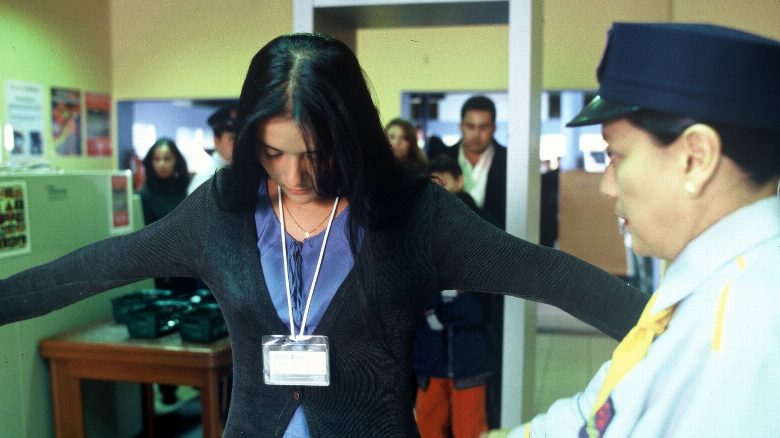
Catalina Sandino Moreno delivers a performance of haunting restraint in Maria Full of Grace, a gritty exploration of desperation that transcends the typical thriller genre. By shifting the focus away from the high-octane violence often associated with the international drug trade, the narrative plants itself firmly within the domestic sphere of a young woman struggling against systemic poverty. The film functions as a stark character study, tracing the internal moral calculus of an individual pushed to the brink by circumstances that leave little room for agency. It captures the heavy atmosphere of a world where illicit choices are framed not as grand ambitions but as the only viable path to survival for a family unit.
For audiences familiar with the recent wave of intense, character-driven dramas emerging from the Indian film industries, such as the gritty realism found in acclaimed Malayalam or Tamil cinema, this film offers a fascinating cross-cultural parallel. Much like the best regional Indian narratives that highlight the intersection of socioeconomic hardship and human dignity, this story avoids sensationalism to prioritize emotional authenticity. It belongs to a lineage of global cinema that seeks to humanize those caught in the gears of global criminal networks. Viewers who appreciate slow-burning tension and films that invite deep empathy for morally complicated protagonists will find this work particularly compelling. It eschews easy answers, instead forcing the audience to contemplate the narrow margins between necessity and exploitation.
The strength of the film lies in its grounded approach, which creates an intimacy that makes every decision weigh heavily on the viewer. By stripping away the glamour often projected onto the underground economy, the director creates an immersive experience that feels both urgent and deeply personal. It is a quintessential example of how international cinema can bridge cultural gaps through the universal language of struggle and maternal instinct. Whether or not one is a devotee of crime dramas, the sheer power of the central performance makes this a significant entry in the history of independent filmmaking. It serves as a stark reminder of the human cost hidden behind the headlines, proving that the most terrifying stories are often those that could happen to anyone forced into a corner by economic despair.
Cast(11)