The Young and the Damned(1950)
About The Young and the Damned
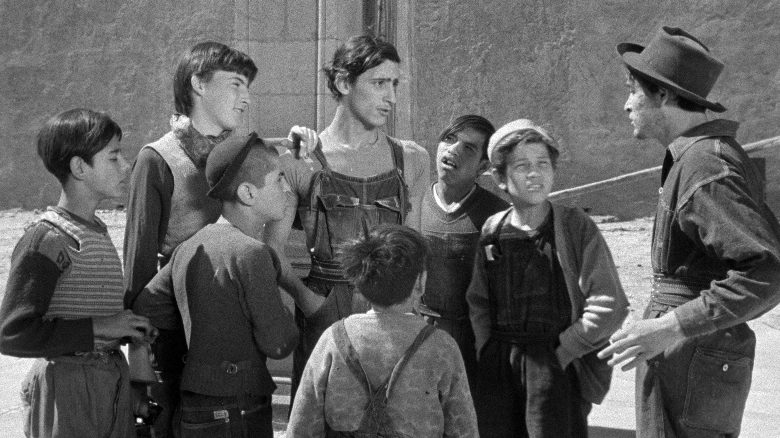
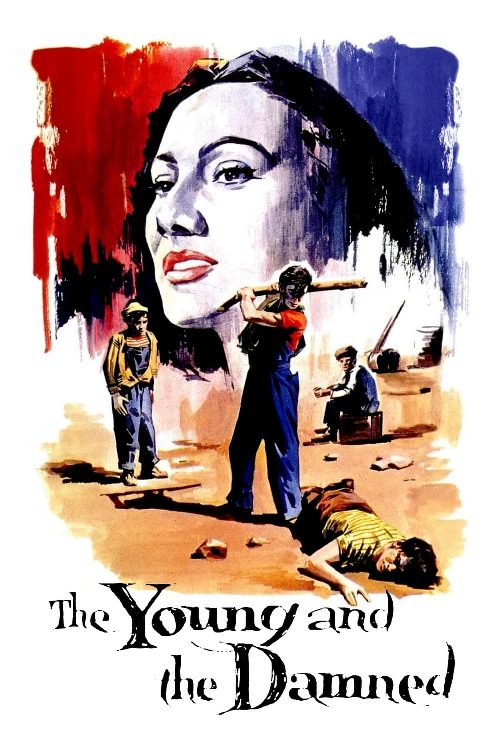
A group of juvenile delinquents live a violent life in the infamous slums of Mexico City; among them Pedro, whose morality is gradually corrupted and destroyed by the others.
Few works of mid-century world cinema possess the raw, uncompromising bite of Luis Bunuel’s 1950 masterwork, a film that drags the viewer into the harsh reality of Mexico City’s forgotten outskirts. Unlike the polished studio productions of the era, this stark drama peels back the veneer of societal progress to examine the cyclical nature of poverty and the erosion of innocence. By focusing on a collective of street-hardened youths, the narrative functions less as a conventional crime story and more as a haunting sociological study. It captures a fragile transition where the lack of institutional support forces children into a predatory existence, forever altering their trajectory in a world that refuses to see them.
For followers of Indian regional cinema, the film offers a fascinating parallel to the gritty realism found in the works of directors like Satyajit Ray or the more recent wave of uncompromising social dramas emerging from the Tamil and Malayalam industries. Just as modern filmmakers in India often utilize the backdrop of urban displacement to critique caste or class divides, Bunuel uses the desolate landscape of Mexico to dismantle myths surrounding childhood purity. The film is essential viewing for those who appreciate cinema that favors psychological tension and environmental storytelling over traditional plot beats. It stands as a profound influence on global neorealism, demonstrating how a director can turn a local setting into a universal meditation on the human condition.
The performances, particularly those depicting the slow moral disintegration of the central protagonist, ground the surrealist-tinged direction in a visceral, tactile pain. Alfonso Mejia portrays a vulnerability that is increasingly eclipsed by the influence of his surroundings, marking a tragic descent that feels as relevant today as it did decades ago. Because the film avoids sentimentality, it is best suited for audiences who prefer challenging, thought-provoking narratives that linger long after the final frame. Bunuel’s ability to weave dreamlike sequences into the fabric of a brutal reality showcases a stylistic confidence that redefined how directors could approach the subject of juvenile delinquency. It remains a cornerstone of international film history, serving as a reminder that the most impactful stories are often those that look directly at the shadows society tries to ignore.
Cast(13)