About Et faran un home. Morts silenciades
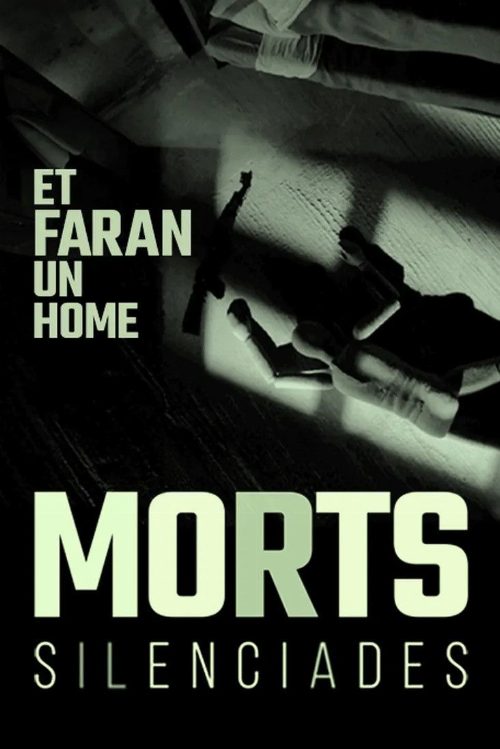
The haunting intersection of personal heritage and collective memory takes center stage in the 2026 Catalan production Et faran un home. Morts silenciades, a documentary drama that reconstructs the weight of historical trauma through a lens of intimate investigation. Director Joan Torrents moves beyond the traditional boundaries of the genre by weaving cinematic reenactments into a framework of archival exploration, effectively bridging the gap between historical record and lived experience. While global cinema has seen an uptick in films exploring the ghosts of mid-twentieth-century political strife, this work distinguishes itself by focusing on the quiet, often overlooked domestic consequences of state-sanctioned silence. By centering the narrative on the experiences of Joaquim Oliva Sala and Montse Bailac, the film elevates the human element, ensuring that the broader historical inquiry never obscures the individual stories at its core.
For audiences accustomed to the high-stakes emotional landscapes of Indian regional dramas, particularly the intense social critiques often found in Malayalam or Tamil independent cinema, this project offers a familiar thematic resonance. Much like the best of world cinema that seeks to reconcile modern identity with the scars of the past, this film functions as an act of cultural restoration. It is crafted for viewers who appreciate slow-burning narrative structures and those who value cinema as a tool for unearthing truths that official chronicles have long neglected. The deliberate pacing allows the audience to sit with the gravity of the subject matter, creating an immersive atmosphere that feels both local to its Catalan roots and universal in its exploration of grief and survival.
Joan Torrents demonstrates a sophisticated command of tone here, balancing the aesthetic demands of dramatic storytelling with the ethical responsibilities inherent in documentary filmmaking. The collaboration between the lead performers provides a grounding force, preventing the film from drifting into overly abstract territory. As the project positions itself within the broader 2026 landscape of European historical cinema, it stands out as a compelling testament to the power of restorative storytelling. Anyone with an interest in how societies confront buried histories will find this piece essential viewing, as it meticulously peels back the layers of a narrative that has long been suppressed by the passage of time. It is a stark, necessary reminder that while the past may be silent, it is never truly gone.