About Frauenliebe – Frauenleid
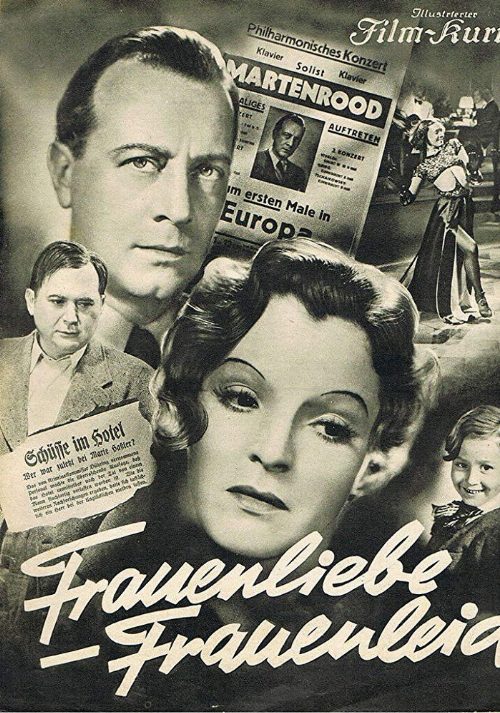
Stepping back into the cinematic landscape of 1937, one encounters the German drama Frauenliebe – Frauenleid, a work that captures the specific social tensions and narrative preoccupations of a pre-war European film industry. Directed by Augusto Genina, a filmmaker known for his ability to navigate different national cinemas, the production reflects the era’s penchant for exploring the intersection of personal desire and rigid societal expectations. While modern Indian audiences are accustomed to the sprawling emotional arcs found in the latest Telugu or Hindi dramas, this vintage piece offers a starkly different, more contained look at the fragility of human relationships within a structured, often unforgiving environment. It serves as a fascinating historical artifact for those interested in how melodrama was constructed before the advent of contemporary high-gloss cinematography.
The film relies on a cast including Ivan Petrovich and Anita Mey to anchor a story that balances the weight of affection against the inevitable suffering that accompanies it. The title itself, translating to a reflection on the joys and sorrows of womanhood, signals a focus on the domestic and emotional spheres that were central to the dramas of the mid-thirties. For contemporary viewers, the film functions as a time capsule, showcasing a stylistic approach that predates the rapid-fire editing and grand musical numbers that define today’s pan-Indian hits. Its appeal lies in its deliberate pacing and the stark, black-and-white visual grammar that emphasizes the psychological isolation of its characters. Those who appreciate the nuanced character studies found in the best of Malayalam arthouse cinema or the classic era of European realism will find the thematic depth here particularly compelling.
Augusto Genina brings a sophisticated eye to this project, having worked across various European borders to hone a craft that emphasized character-driven tension. His direction ensures that the narrative remains focused on the internal lives of the protagonists rather than mere external spectacle. This is not a film for those seeking fast-paced action or complex genre-bending plots; rather, it is a deliberate, atmospheric experience designed for viewers who enjoy dissecting the evolution of cinematic storytelling. As global cinema continues to celebrate its rich, diverse history, revisiting works like this provides essential context for the development of the dramatic genre. It is an invitation to witness the raw, unfiltered emotional stakes that directors were tackling nearly a century ago, proving that the complexities of love and loss remain a universal language that transcends both time and geography.