He Loved Him Madly/The End of reiburgerking(2026)
About He Loved Him Madly/The End of reiburgerking
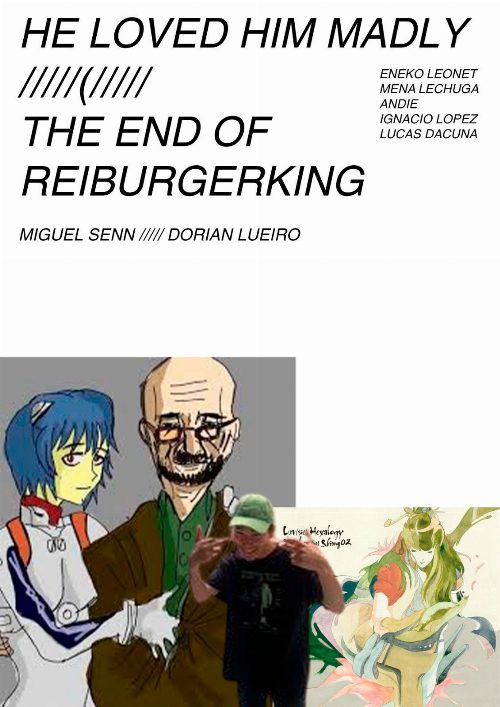
Animation often serves as a mirror for the complexities of the human experience, and He Loved Him Madly/The End of reiburgerking pushes this medium into uncharted territory by blending factual storytelling with a deeply emotive dramatic core. This 2026 project stands out for its stylistic audacity, choosing a visual language that feels both surreal and grounded, a recurring hallmark of contemporary experimental works that challenge the boundaries of how we perceive non-fiction narratives. While global audiences are increasingly accustomed to animated features that lean into fantasy or high-octane spectacle, this piece demands a different kind of engagement, prioritizing the quiet, interior landscapes of its subjects over traditional world-building. For viewers who follow international cinema, the film feels like an evolution of the intimate character studies often seen in independent European festival circuits, echoing the raw vulnerability found in modern auteur-driven animation.
The narrative structure draws on the lived experiences of Miguel Senn, Dorian Lueiro, Eneko Leonet, Lucas Dacuña, Ignacio Lopez, and Mena Lechuga, whose collective presence gives the film a textured, multi-layered resonance. It is not merely a biography but a meditation on the permanence of memories and the way relationships define our personal history. This approach mirrors the current shift in Indian cinema, where regional industries like the Malayalam or Tamil film landscapes have recently pivoted toward hyper-realistic, character-centric dramas that eschew commercial tropes. By positioning itself as a hybrid of documentary and drama, the film appeals to cinephiles who appreciate artistic risks and stories that linger long after the screen goes dark. Its strength lies in its ability to translate subjective feelings into universal visual metaphors, making the specific struggles of its protagonists accessible to a broad, curious audience.
Those who enjoy exploring the intersection of art-house sensitivity and technical innovation will find this work particularly compelling. It does not aim to provide easy answers or linear satisfaction, but rather invites the viewer to inhabit the emotional spaces of the individuals at the center of the frame. Given the current appetite for stories that prioritize authenticity, this release seems perfectly timed to capture the attention of festival-goers and streaming audiences alike. It represents a bold step forward in how we document life, proving that the tools of animation can be just as effective as the lens of a documentary camera when it comes to capturing the truth of a human connection. If you are looking for a cinematic experience that challenges your perception of the medium while maintaining a deep, palpable heart, this film is undoubtedly one to watch.