In the Shadow of the Blue Rascal(1986)
About In the Shadow of the Blue Rascal
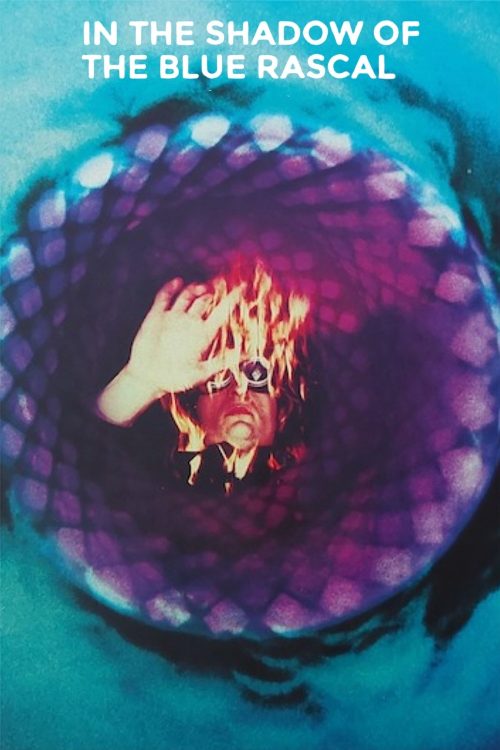
300 kilos of heroin have disappeared in Necrocity, a city of terror—a city of night—where Captain Speed has a gang and the government hides the dead. An experimental crime film considered to be a landmark of Parisian underground cinema.
The 1986 French production In the Shadow of the Blue Rascal remains a singular anomaly in the history of European genre filmmaking, functioning more as a fever dream than a traditional narrative. Set against the backdrop of a decaying, neon-drenched metropolis known as Necrocity, the film strips away the polished veneer of eighties police procedurals to reveal a grimy, dystopian landscape where the lines between law enforcement and criminality have completely eroded. While contemporary audiences familiar with the high-octane spectacle of modern Telugu or Tamil action cinema might expect a clear hero-versus-villain structure, this film instead plunges the viewer into a surrealist abyss where the hunt for a massive cache of missing narcotics serves merely as a conduit for exploring deeper existential rot and state-sponsored secrets.
The project is frequently cited as a touchstone for those interested in the fringes of Parisian underground aesthetics, offering a stark contrast to the populist storytelling found in the mainstream commercial industries we often cover. Jean-Claude Miller anchors the experience with a performance that rejects the archetypal toughness seen in standard thrillers, opting instead for a haunted, weary intensity that matches the film’s grim visual palette. The direction embraces a fractured, experimental sensibility that prioritizes atmosphere and psychological claustrophobia over straightforward pacing, making it a challenging watch that deliberately avoids the familiar beats of a standard investigation narrative. It is a work of pure style that demands total immersion from its audience, trading logic for a relentless sense of impending doom.
Viewers who gravitate toward the dark, experimental side of global cinema will likely find this feature fascinating for its refusal to compromise its bleak vision. It is less about the mechanics of a crime and more about the crushing weight of the environment itself, a city of eternal night where the authorities are just as compromised as the syndicates they supposedly oppose. For fans of Indian cinema who appreciate the gritty, hyper-stylized urban noir seen in recent experimental works, this film provides an early look at how a director can weaponize the camera to create a self-contained universe of dread. It is an essential discovery for those who value cinema that prioritizes mood, texture, and a transgressive spirit over the comfortable tropes of genre fiction, standing as a defiant relic of a bygone era in independent European filmmaking.
Cast(10)