Jas-kraschen på Vattenfestivalen(2025)
About Jas-kraschen på Vattenfestivalen
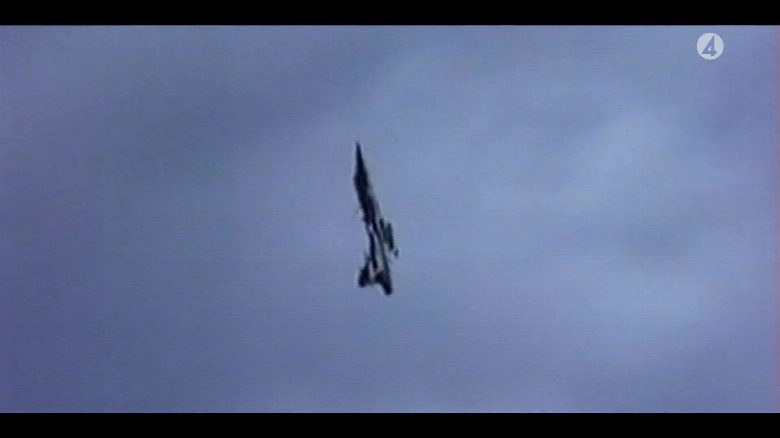
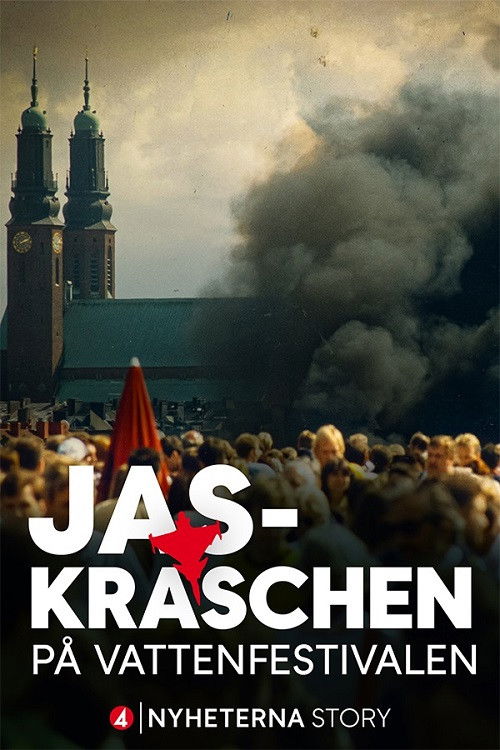
The Swedish documentary Jas-kraschen på Vattenfestivalen serves as a haunting archival excavation, pulling back the curtain on a moment of national anxiety that once gripped Stockholm. While the global film community often focuses on the expansive narratives emerging from the Telugu or Hindi industries, this project highlights the power of Nordic non-fiction to dissect singular, traumatic historical events. By revisiting the infamous aviation incident that took place during the citys celebrated summer festivities, the film moves beyond mere reportage. It functions as a psychological study of a public caught between the innocence of a seasonal celebration and the sudden, terrifying intrusion of mechanical failure. For audiences who appreciate the meticulous research seen in high-end international investigative documentaries, this film offers a compelling look at how a singular tragedy can reshape the collective memory of a capital city.
The narrative relies heavily on the testimony of Susanne Wikstrom, Barbro Gradian, and Lars Radestrom, whose personal recollections provide a human pulse to the cold facts of the crash. Their contributions elevate the material from a dry historical account into an intimate exploration of trauma and recovery. In an era where cinema is increasingly dominated by grand spectacles and high-concept fiction, there is a refreshing gravity to a story that anchors itself in the lived experiences of those who were present at the event. The direction focuses on the juxtaposition between the joyous atmosphere of the Water Festival and the jarring reality of the disaster, forcing viewers to confront the fragility of public safety. It is a testament to the enduring curiosity surrounding this event that such a deep dive is being presented to a modern audience.
This documentary is positioned as an essential watch for enthusiasts of investigative journalism and those interested in the social history of Scandinavia. It does not attempt to sensationalize the tragedy; instead, it adopts a somber, reflective tone that invites the audience to consider the long-term impact of such an occurrence on the community. For those who follow the evolution of European documentary filmmaking, this project represents a sophisticated use of archival footage combined with contemporary reflection. It stands as a reminder that even in the most organized societies, history can take an unexpected turn, leaving behind questions that remain relevant decades later. Whether you are a scholar of aviation history or simply a fan of poignant, character-driven storytelling, this film provides a necessary bridge to a chapter of the past that refuses to fade from public consciousness.