About Room
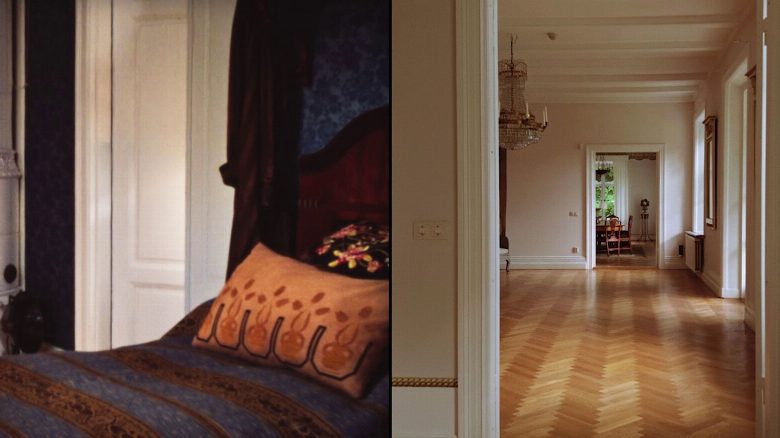
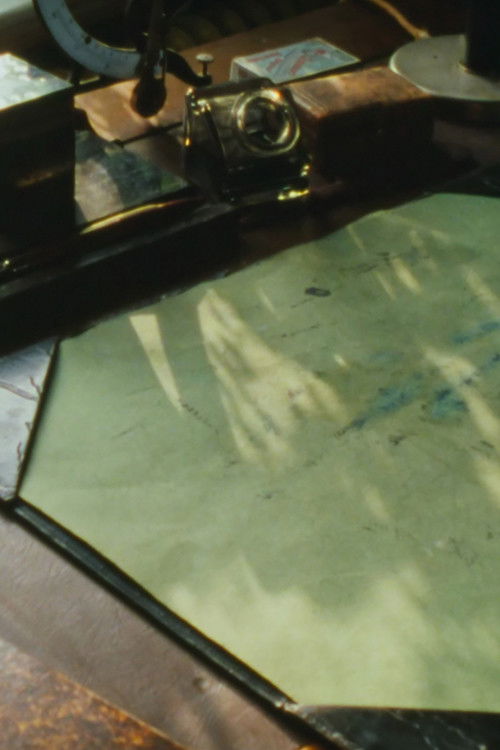
In his latest film Rum, Söderquist revisits footage from the shooting of Letters From Silence, placing them in dialog with recently shot footage. Deploying split-screen for the first time, Söderquist’s camera slowly and meticulously travels through sparse interior spaces and passages, evoking both a sense of enclosure and departure.
Few filmmakers possess the patience to turn the act of looking into a profound meditation on time, yet Claes Söderquist achieves exactly this in his latest documentary project. By anchoring his work in the raw, discarded remnants of his previous production Letters From Silence, the director invites us into a dual temporal space where the past and the present collide on screen. Rather than opting for a traditional narrative progression, the film utilizes a striking split-screen aesthetic to force a conversation between what was once captured and what is being observed now. This formal choice transforms the viewing experience into something akin to an architectural exploration of memory, where the physical boundaries of a room serve as the primary vessel for human experience.
For audiences accustomed to the high-velocity editing of contemporary global cinema, this film offers a radical shift in tempo. It belongs to a lineage of observational documentaries that prioritize atmosphere and spatial awareness over expository dialogue. Much like the meditative pacing found in the slow-cinema traditions of South Indian auteur filmmaking, where the environment often acts as a silent lead character, Söderquist captures the quiet dignity of vacant architecture. The camera drifts through empty corridors and neglected corners with a deliberate, haunting focus that suggests these spaces hold secrets long after the inhabitants have vacated them. It is a work designed for the patient cinephile who values the texture of a shot over the momentum of a plot.
This cinematic inquiry is particularly relevant in an era where digital archives have made our personal histories feel increasingly fragmented. By physically placing his earlier footage alongside newly recorded observations, the director creates a tangible bridge across the decades of his career. It is an introspective exercise that asks the viewer to sit with the discomfort of enclosure while simultaneously contemplating the possibility of escape. Those who appreciate experimental non-fiction, or anyone intrigued by the intersection of autobiography and visual art, will find this a deeply rewarding study. Söderquist proves that even within the confines of four walls, a director can uncover vast emotional landscapes if they are willing to observe the shadows long enough. This project stands as a testament to the idea that a frame is never just a frame; it is a gateway into the passage of time itself.