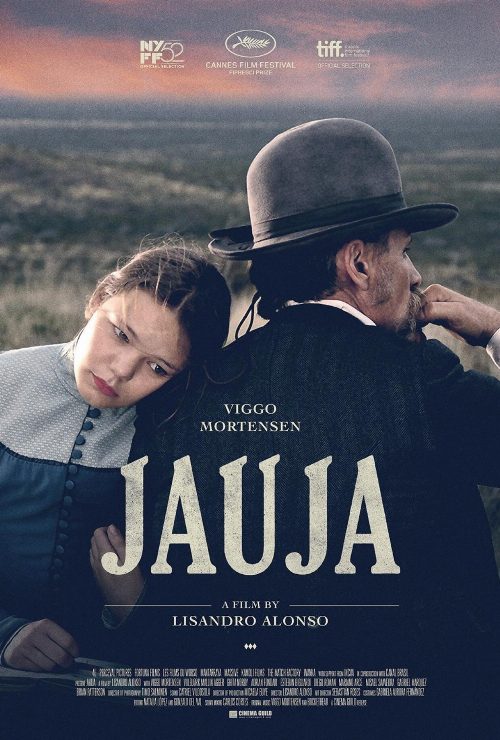
About Jauja
A father and daughter journey from Denmark to an unknown desert that exists in a realm beyond the confines of civilization.
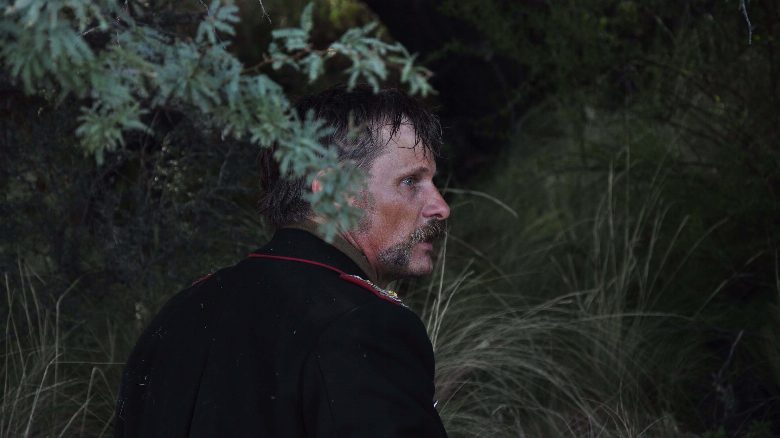
The desolate winds of 19th-century Patagonia serve as the haunting backdrop for Jauja, a film that defies the conventional tropes of the Western genre to offer a hypnotic meditation on loss and the erosion of reality. Director Lisandro Alonso crafts a visual experience that feels less like a traditional narrative and more like a fever dream etched onto the rugged landscape. By pairing the stark, unforgiving terrain with the isolation of a foreign traveler, the film taps into a universal anxiety regarding the unknown, creating a sense of dread that is both quiet and overwhelming. Unlike the high-octane action often associated with frontier stories, this production prioritizes atmosphere, utilizing a unique aspect ratio that frames the protagonists as mere specks against the vast, indifferent wilderness.
For cinephiles who appreciate the meditative pacing found in modern art-house cinema, Jauja offers a profound departure from the typical blockbuster landscape. It echoes the atmospheric intensity of films that prioritize mood over dialogue, making it a compelling choice for those who enjoy works that require patience and allow the subconscious to do the heavy lifting. Viggo Mortensen brings a grounded, weary gravitas to his performance, portraying a man whose desperate search for his vanished daughter leads him into a metaphysical void where the lines between history and myth begin to blur. His portrayal is a masterclass in understated acting, anchoring the surreal shifts in the environment with a palpable sense of paternal desperation that keeps the viewer tethered to the emotional core of the journey.
This work stands as a testament to how global independent cinema can strip away the artifice of genre storytelling to expose something more primal and philosophical. While Indian cinema has recently seen a surge in high-concept dramas that blend regional folklore with psychological depth, Jauja offers an international perspective on the man-versus-nature theme that resonates across borders. It is not a film for those seeking quick thrills or tidy resolutions, but rather for the audience that views movies as immersive, sensory challenges. By discarding the expected beats of a standard quest narrative, the director invites us to consider the fragility of our own perceptions, positioning this film as a haunting landmark in contemporary world cinema that lingers in the mind long after the final frames fade into the horizon.