Kanoon(1994)
About Kanoon
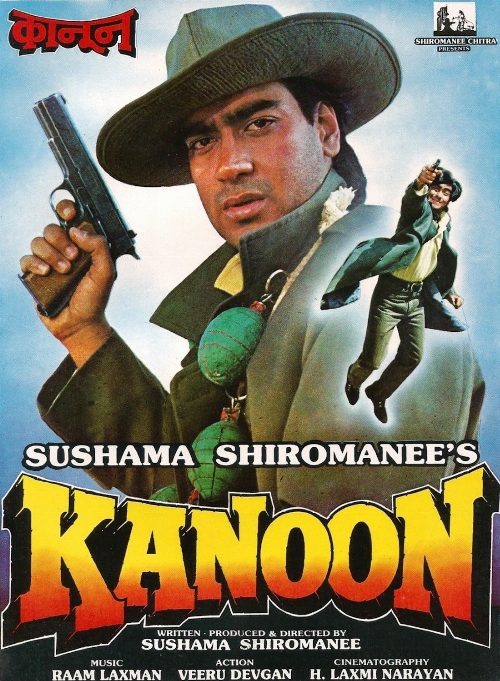
A young man plots revenge on a killer who slaughtered his family.
The 1994 Hindi production Kanoon serves as a quintessential artifact of nineties commercial cinema, a decade defined by high-stakes emotional stakes and the transition toward more gritty, vengeance-driven narratives. While the era was often dominated by massive multi-starrers, this specific project leans into the classic tropes of the vigilante archetype, exploring the moral gray areas that arise when a desperate protagonist decides that the judicial system has failed his loved ones. By focusing on a singular quest for retribution, the film taps into the deep-seated cultural anxieties regarding justice and the inevitable price one pays for taking the law into their own hands. It operates as a bridge between the traditional moralistic tales of the eighties and the more stylized, aggressive action sequences that would come to define the turn of the millennium in Bollywood.
The ensemble cast provides a fascinating look at the character actors who essentially built the foundation of Hindi cinema during this period. Seeing veterans like Alok Nath and Reema Lagoo, who were frequently typecast as the paragons of familial virtue, placed within the context of a violent thriller adds a layer of irony to the viewing experience. Alongside the reliable menace of Prem Chopra and the comedic relief provided by Johny Lever, the film utilizes a familiar roster of faces to ground its heightened drama. This, combined with the presence of Arun Govil, makes the movie a nostalgic trip for viewers who grew up watching these performers cycle through diverse roles in the hinterlands of Indian television and film. It is a production that will undoubtedly appeal to fans of old-school masala entertainment who appreciate a straightforward plot propelled by raw intensity and clear-cut antagonistic forces.
Ultimately, Kanoon stands out as a relic of a time when the stakes of a film were measured by the depth of the hero’s grief and the audacity of his counter-attack. It does not attempt to reinvent the wheel of the action-drama genre, but it executes the fundamental requirements of its category with a earnestness that is rarely seen in modern, polished productions. For those interested in the evolution of Hindi regional cinema, it acts as a study in how filmmakers balanced the expectations of mainstream audiences with the dark, heavy themes of vendetta. Whether viewed for its historical significance in the careers of its supporting cast or simply as an example of nineties genre craftsmanship, the film remains a compelling look at the intersection of personal tragedy and public vengeance within the landscape of mid-nineties Indian storytelling.