About Karlsson-on-the-Roof
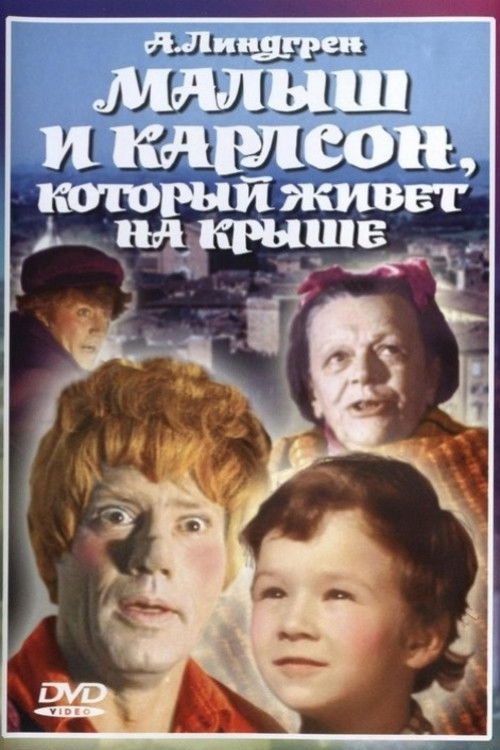
The mischievous Carlson and the gullible Kid are the heroes of a well-known fairy tale. Carlson loves to play pranks very much, and for all the consequences of pranks he has a "proprietary" excuse: "It's nothing, it's an everyday thing!".
Venturing into the whimsical world of Soviet-era animation and theatrical adaptations often feels like discovering a hidden treasure chest of eccentric storytelling, and the 1971 production of Karlsson-on-the-Roof stands as a testament to this unique cinematic tradition. Directed by Valentin Pluchek, this adaptation brings the beloved literary creation to life with a theatrical flair that distinguishes it from the more standard animated versions most international audiences might expect. At the heart of the narrative is the unlikely bond between a lonely young boy and a self-proclaimed man in his prime who sports a propeller on his back. While the premise carries the classic charm of a childhood fantasy, the film functions as a sharp, comedic exploration of companionship, mischief, and the imaginative escapism that children often employ to navigate the quiet corners of their daily lives.
For those accustomed to the high-octane emotional beats of contemporary Indian cinema or the sprawling dramas of the Telugu and Tamil industries, this Russian classic offers a refreshing shift in pace. It prioritizes character-driven humor and a distinct, stage-influenced performance style that grounds the fantastical elements in a relatable, domestic setting. The inclusion of Andrey Mironov, a performer of immense stature and comedic timing in Soviet cinema, elevates the material, ensuring that the central protagonist remains as endearing as he is infuriatingly reckless. His portrayal captures the essence of a character who views the world as a personal playground, constantly sidestepping responsibility with an unwavering confidence that remains iconic across generations of Russian viewers.
This film is an ideal pick for cinephiles who appreciate the evolution of family-oriented storytelling and have an interest in how classic literature is reimagined through the lens of regional performance traditions. It occupies a space similar to the whimsical, fable-like narratives found in international children's classics, though it maintains a dry, sardonic wit that is unmistakably rooted in its source material. Audiences who enjoy films that balance lighthearted adventure with a touch of philosophical inquiry into the nature of friendship will find much to admire here. By focusing on the playful dynamics between the two leads rather than relying on complex spectacle, the film remains a timeless example of how simple, character-focused scripts can transcend cultural and linguistic boundaries to resonate with a global audience, proving that the spirit of innocent rebellion is a universal language.
Cast(9)








Crew
Similar Films