About Kateřina zlé pověsti
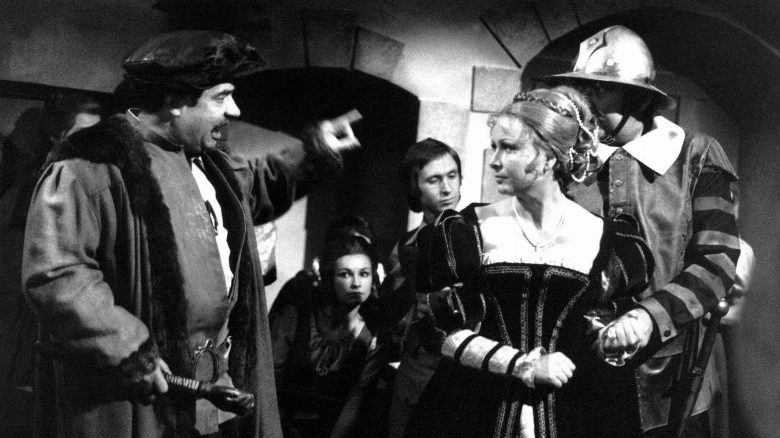
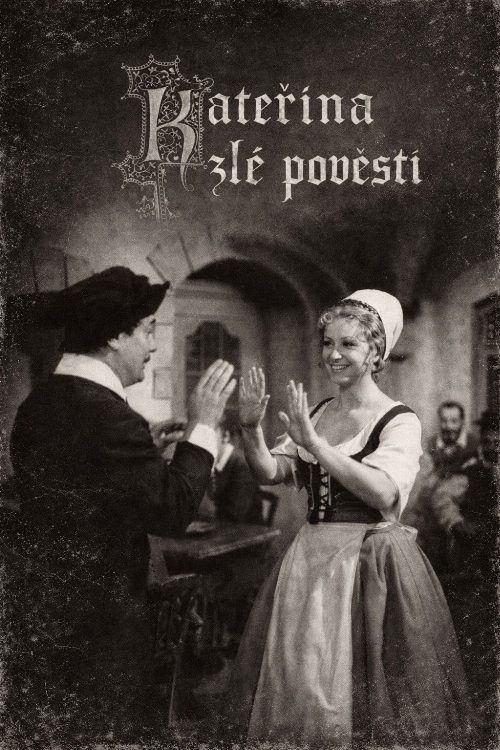
Stepping back into the mid-seventies Czechoslovakian landscape, Katerina zlé pověsti emerges as a compelling artifact of a cinematic era defined by its ability to shroud poignant human struggles within the folds of historical drama. While global audiences often associate international cinema of this period with the high-concept stylistic experiments of the French New Wave or the grit of American thrillers, this production leans into a more localized, character-driven intensity. It serves as a fascinating contrast to the burgeoning commercial vigor seen today in major Indian industries like the Telugu or Tamil markets, where scale and spectacle often take precedence. Instead, this film prioritizes the psychological weight of its protagonist, navigating the complexities of reputation and social standing in a bygone era that feels both distant and strangely familiar.
The narrative architecture of the film hinges on the trials of a woman burdened by a tarnished name, a trope that resonates across cultures, including the intense familial and social dramas often explored in Hindi and Malayalam cinema. By placing the viewer in a meticulously reconstructed past, the director demands an appreciation for the subtle shifts in power dynamics and the crushing weight of public perception. It is a work that values the slow burn of performance over rapid-fire editing, anchored by a veteran cast who bring a grounded, lived-in quality to their roles. Viewers who gravitate toward period pieces that examine individual defiance against a rigid societal backdrop will find much to admire in the way the film treats its subject matter with both gravity and nuance.
For those curious about the evolution of European historical narratives, this film acts as a vital bridge between classic stage-influenced storytelling and the emerging naturalism of the seventies. It is not merely a costume drama but an inquiry into the fragility of personal identity when confronted by the collective judgment of a community. The inclusion of stalwarts like Vladimir Mensik adds a layer of authority to the production, ensuring that the emotional stakes remain high even when the dialogue is at its most understated. Whether you are a dedicated student of international film history or simply a fan of character-focused dramas that challenge the traditional hero arc, this piece of Czech cinema remains a sophisticated watch that demands your full attention, standing as a testament to the enduring power of a story built on reputation and resilience.