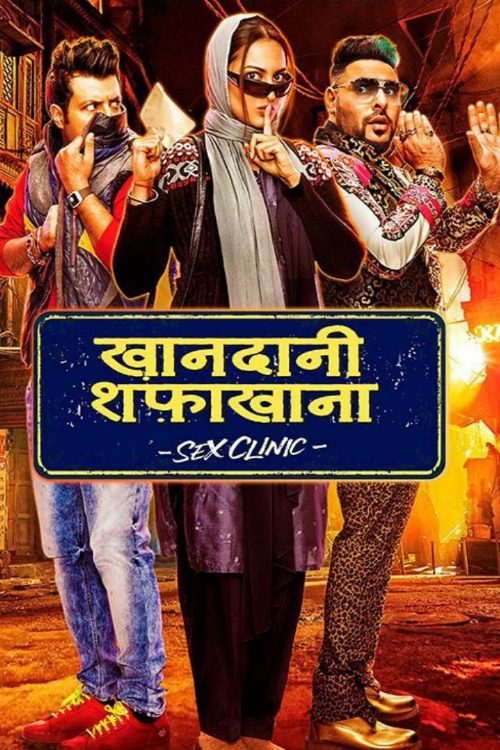
About Khandaani Shafakhana
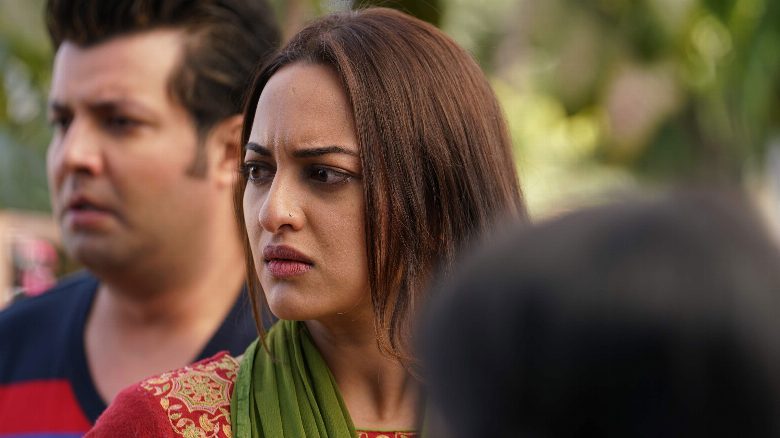
When Baby Bedi is entrusted with a job of running controversial sex clinic ‘Khandaani Shafakhana’, in a small town of Punjab, she faces severe backlash from all quarters. Can she find a cure for the widespread social stigma against important issues like sex education and sexual health?
Navigating the delicate intersection of social taboo and small-town sentimentality, Khandaani Shafakhana arrives as a bold entry in the landscape of Hindi mainstream cinema. Set against the vibrant backdrop of Punjab, the narrative centers on a woman forced to manage an inherited medical practice that specializes in subjects most people in her community refuse to discuss openly. By centering the story on the professional and personal obstacles of the protagonist, the film attempts to dismantle the silence surrounding sexual health. It functions as a lighthearted social commentary, utilizing humor to soften the edges of a conversation that has historically been relegated to the fringes of Indian societal discourse.
The film distinguishes itself by championing an unconventional premise, turning a topic often shrouded in shame into the heart of a comedic journey. Director Shilpi Dasgupta leans into the quirks of provincial life to highlight how deeply ingrained traditional perspectives can be, especially when they collide with modern necessity. Sonakshi Sinha takes on the mantle of the lead, portraying a character defined by her resilience as she navigates the judgmental gazes of her neighbors. Her performance is flanked by a seasoned ensemble cast, including veterans like Kulbhushan Kharbanda and Annu Kapoor, who bring a necessary gravitas to the eccentric world of the clinic. This casting choice ensures that the film retains a grounded, relatable quality even as it ventures into controversial territory.
Audiences who appreciate films that blend heart with a message will likely find resonance in this project. It is positioned for viewers who enjoy stories about individuals challenging the status quo, particularly those who prefer their social critiques served with a side of warmth and character-driven drama. The film arrives at a time when Hindi cinema is increasingly exploring domestic issues that were previously considered off-limits for public discussion, reflecting a broader shift toward inclusive storytelling. By choosing to address these sensitive matters through an accessible, narrative-led lens, the production invites a wide demographic to participate in a conversation about health and dignity. It stands out as a sincere effort to normalize essential discussions, proving that even the most uncomfortable truths can be addressed with compassion, wit, and a touch of regional charm.
Cast(8)