About La Bohème
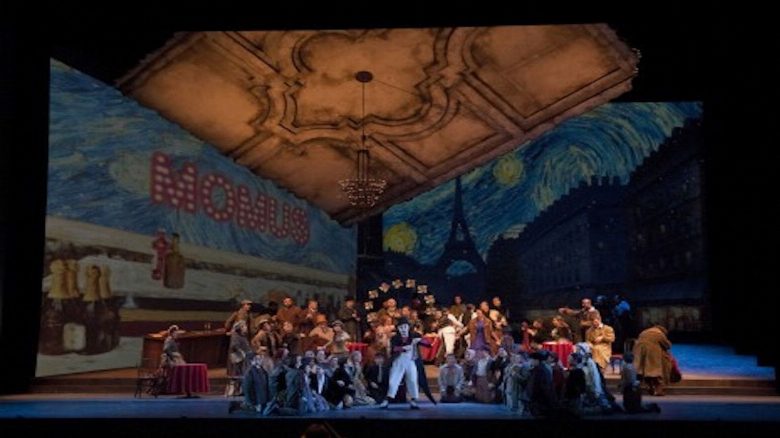
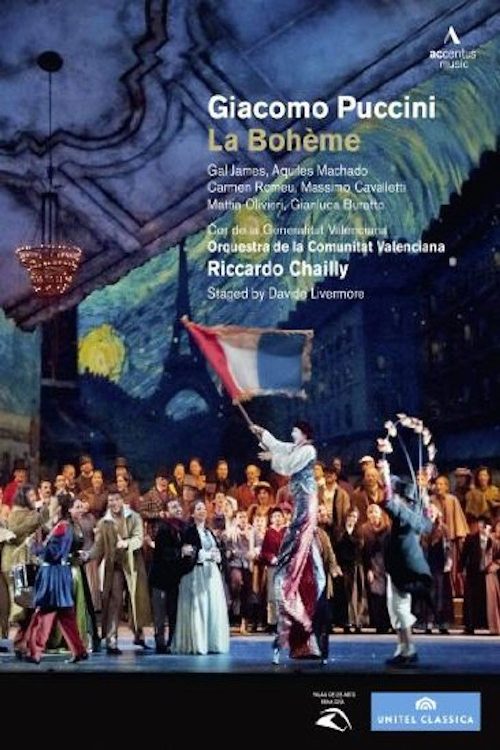
The musical notes of this Puccini masterpiece provide the starting point and foundation for a new, highly successful collaboration between Riccardo Chailly and Davide Livermore. In their interpretation, there is “no moment, no movement, that goes against the musical meaning” (R. Chailly). The result is an energetic, authentic, and atmospherically strong Bohème, “in which every sacred phrase receives its own orchestral colour, its own dynamic and its own expression.” (Corriere della Sera)
Opera has long served as a foundational pillar for cinematic storytelling, yet few adaptations capture the raw, starving ambition of youth quite like the 2013 screen version of La Boheme. Directed by Davide Livermore, this production shifts the focus from the grandiosity of traditional stagecraft toward a visceral, intimate exploration of Bohemian life. By prioritizing the emotional weight of the score over mere spectacle, the film breathes new life into a narrative that has resonated with audiences for over a century. It is a bold artistic choice that positions the viewer not as a distant observer in a theater balcony, but as a participant in the chaotic, candlelit rooms where love and poverty collide.
This production stands out for its uncompromising dedication to the musical integrity of the Puccini classic. While many modern interpretations of classic operas attempt to modernize the setting or inject jarring stylistic pivots, Livermore maintains a respectful tension between period authenticity and contemporary film language. For fans of Indian cinema, this approach might feel reminiscent of the way regional auteurs in industries like Malayalam or Tamil cinema often strip away commercial artifice to focus on the grit of character-driven drama. The performances by Mattia Olivieri and the rest of the ensemble cast carry a grounded energy that strips away the operatic artifice, making the stakes feel personal rather than performative.
The film is an essential watch for those who appreciate the intersection of classical music and visual storytelling. It caters to a sophisticated audience that values precise orchestral dynamics and the subtle interplay between lighting and sound. Unlike the high-octane pacing seen in current blockbuster trends, this film invites the viewer to slow down and immerse themselves in the rich, melancholic texture of the Parisian Latin Quarter. It is a testament to the enduring power of Italian cultural heritage, proving that even the most established works can feel remarkably fresh when handled with such meticulous attention to detail. Whether you are a lifelong devotee of the opera or a newcomer looking for a gateway into the genre, this rendition provides a clear, resonant bridge to one of the most beloved stories in history. It remains a masterclass in how to translate live performance into a cinematic medium without losing the heartbeat that makes the original score so hauntingly beautiful.
Cast(12)