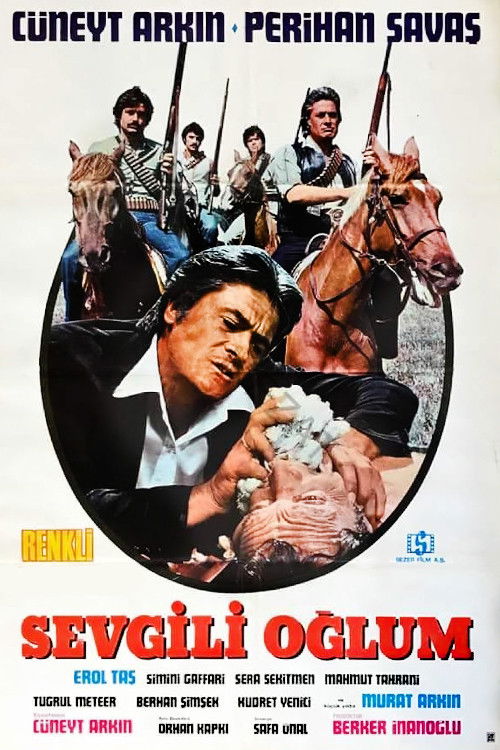
My dear son(1977)
About My dear son
The dramatic tale of a father’s sacrifice for his son. Dramatic events are awaiting a family living in the countryside on a farm. While brothers living with their father are happy with their condition, Ahmet the eldest is not. He is amazed by what he saw during his visits in the big city. He doesn’t want to become a farmer. He decides to go to the city against the will of his family. After receiving the news of Ahmet’s death, his father seeks revenge.
The cinematic landscape of the late seventies was defined by gritty explorations of rural displacement and the generational friction caused by rapid modernization. My dear son stands as a compelling artifact of this era, capturing the poignant transition of a young man caught between the agrarian traditions of his kin and the neon-lit allure of metropolitan life. While many films of this period focused heavily on political upheaval, this Turkish production anchors its narrative in the intimate, raw emotions of domestic tragedy. It serves as a stark reminder of how the siren song of urban growth often fractured the traditional family unit, creating a sense of inevitability that drives the protagonists toward their grim destiny.
At the heart of the story lies the disconnect between a father content with his pastoral existence and a son whose ambitions refuse to be contained by the boundaries of a farm. The film excels in portraying the quiet tension inherent in the household before the departure, allowing the audience to feel the weight of expectation and the sting of personal rejection. When the narrative shifts from a domestic drama into the territory of a vengeance-fueled thriller, it maintains its emotional integrity by focusing on the father as a man pushed beyond his limits. This trajectory resonates with fans of classic revenge tales who prefer a character-driven approach over mindless spectacle, as it prioritizes the psychology of loss over the mechanics of action.
The presence of seasoned performers like Perihan Savas and Erol Tas elevates the material, grounding the elevated stakes in grounded, authentic portrayals of grief and stubborn pride. For those who appreciate the evolution of international cinema, this work is particularly interesting because it bridges the gap between conventional family dramas and the burgeoning tough-guy archetypes that would come to dominate later decades. Viewers who enjoy stories centered on the heavy price of independence and the destructive nature of retribution will find much to dissect here. By examining the collapse of the patriarchal structure in the face of tragedy, the film offers a somber look at how one father’s desperate pursuit of justice leaves his world irrevocably altered. It remains a quintessential example of how regional storytelling can address universal anxieties about progress, mortality, and the enduring bonds of blood that dictate our choices long after we have left home.
Cast(4)




Crew
Editor
Producer
Writer
Cinematography
Sound Designer
Similar Films