About Nalu on the Border
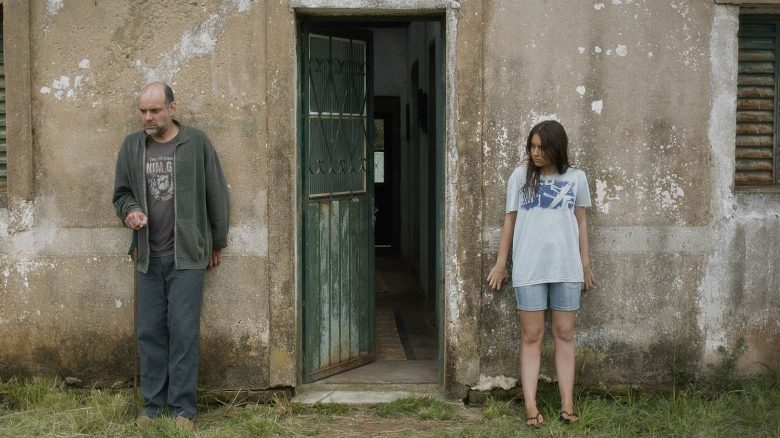
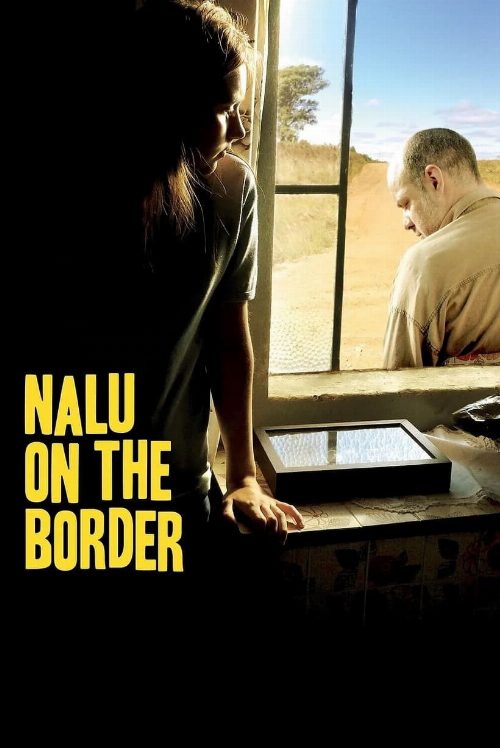
Nalu lives with Ruben, her father, in a small country town near the Brazilian border with Uruguay. When Ruben realizes that his daughter is becoming a woman, an ambiguous closeness begins to develop between them.
Tucked away in the quiet, dust-swept landscapes where national boundaries blur into a singular, desolate horizon, Nalu on the Border presents a haunting exploration of human geography and psychological intimacy. This 2017 Brazilian drama captures the heavy atmosphere of a rural township, where the physical proximity of the Uruguayan border serves as a metaphor for the shifting internal boundaries of its central characters. The narrative focuses on the delicate, often uncomfortable bond between a daughter on the cusp of adulthood and her father, navigating the unspoken tensions that arise when familiar domestic patterns are suddenly disrupted by the onset of maturity. Unlike the high-octane spectacles currently dominating global cinema, this film leans into a minimalist aesthetic, relying on the weight of silence and the stark naturalism of its setting to convey a sense of lingering unease.
For audiences accustomed to the vibrant, multifaceted storytelling found in regional Indian cinema, particularly the nuanced character studies emerging from the Malayalam or independent Marathi industries, this film will feel remarkably familiar in its commitment to realism. It occupies a space similar to films that prioritize internal conflict over external plot mechanics, making it an essential watch for those who appreciate slow-burn dramas that challenge the viewer to interpret subtle emotional shifts. The performances by Maria Galant and the rest of the cast are anchored in a grounded, earthy sensibility, reflecting the rugged isolation of their environment. By stripping away artifice, the production invites viewers to sit with the ambiguity of the father-daughter dynamic, turning a seemingly simple domestic situation into a complex psychological study.
Those who gravitate toward world cinema that explores the fragility of family structures will find much to admire in this understated feature. It avoids the temptation of easy moralizing, choosing instead to linger in the uncomfortable spaces of human connection. The film stands out as a testament to the power of regional storytelling to articulate universal anxieties, proving that even in the most remote corners of the globe, the complexities of growing up and the shifting nature of parental protection remain constant themes. It is a contemplative experience, best suited for viewers who find intellectual satisfaction in films that refuse to provide tidy resolutions, preferring instead to leave the audience reflecting on the profound, often invisible, borders that separate the people we love.