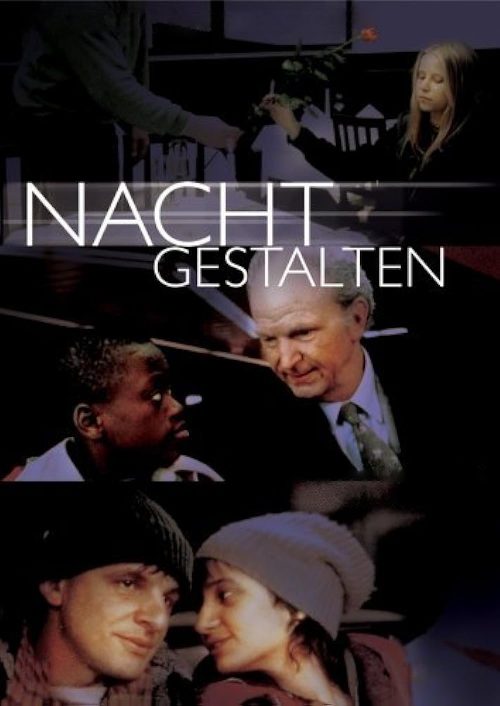
Night Shapes(1999)
About Night Shapes
The Pope is in town and the night of his stay is anything but heavenly for some of Berlin′s inhabitants. Rich and poor, down-and-outs and policemen, street kids and taxi drivers - in their search for a little bit of happiness, they all end up on an amusing and at times harrowing odyssey through the labyrinth of the big city.
Berlin serves as a sprawling, fractured stage in the 1999 drama Night Shapes, a film that captures the frantic energy of a city caught between its own historical weight and the temporary disruption of a papal visit. While audiences familiar with the vibrant, often melodramatic landscape of contemporary Indian cinema might be accustomed to grand emotional arcs, this German feature offers something starkly different. It weaves together the disparate lives of taxi drivers, disenfranchised youth, and weary law enforcement officers, finding a unique rhythm in the intersection of their mundane struggles. By focusing on a single night where the arrival of a global religious leader forces the city to shift its pace, the narrative exposes the cracks in the urban facade, contrasting the sanctity of the event with the gritty reality of those living on the fringes of society.
This film stands out for its ensemble approach, mirroring the multi-narrative structures that have become increasingly popular in modern global storytelling, yet it maintains a distinctly European detachment that feels both cold and deeply observant. For viewers who appreciate the character-driven dramas found in the independent circuits of Mumbai or the nuanced social realism of Malayalam cinema, this work provides a compelling look at the universality of the human search for connection. It avoids the traditional traps of sentimental storytelling, instead opting for a mosaic of experiences that highlight how social class and personal desperation dictate one's path through the dark. It is a work for those who prefer their cinema to act as a mirror to the city itself, reflecting the noise, the loneliness, and the fleeting moments of grace that occur when paths cross unexpectedly.
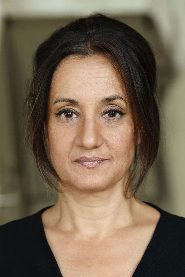
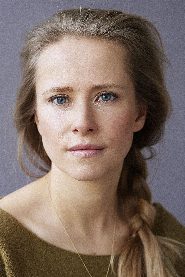
The director captures a specific moment in time where the atmosphere of the capital feels suffocating yet full of potential for small, life-altering encounters. The cast, featuring performances by Dominique Horwitz and Susanne Bormann, grounds the film in a tactile authenticity that prevents the various subplots from feeling disconnected. Rather than relying on a singular protagonist, the film thrives on the collision of these varied personalities, ensuring that the audience remains invested in the collective plight of the city dwellers. It remains an essential watch for enthusiasts of late nineties European drama who seek to understand how filmmakers use architecture and urban planning to dictate the internal states of their characters. By refusing to offer easy answers to the problems faced by its ensemble, the story lingers as a thoughtful, melancholic meditation on the invisible lines that divide and unite us within a modern metropolis.
Cast(11)