About No Other Land
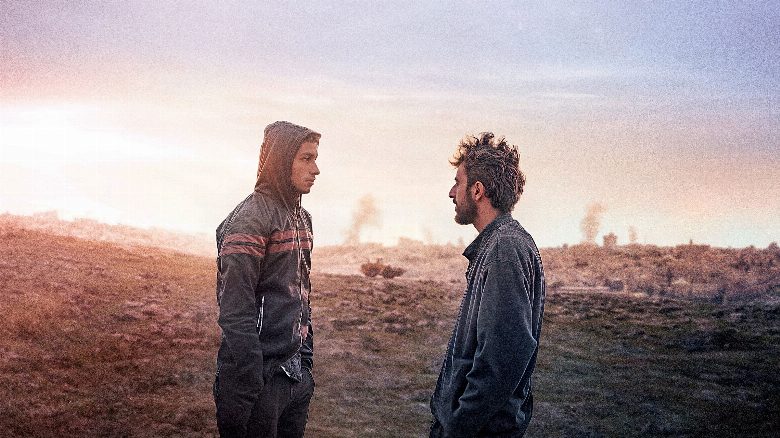
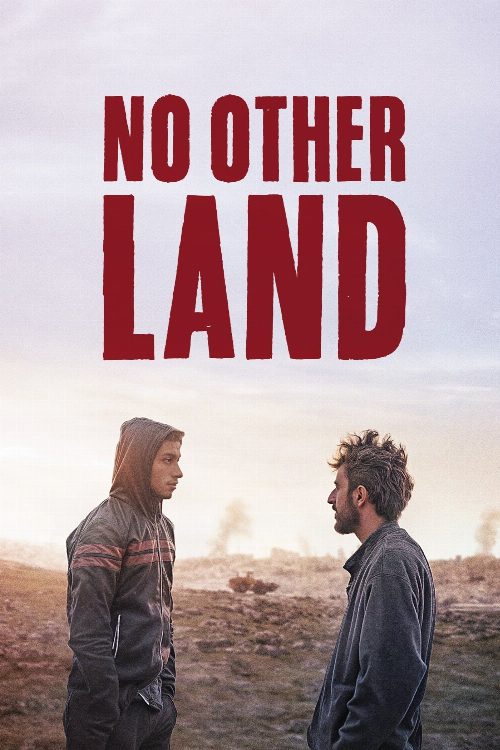
This film made by a Palestinian-Israeli collective shows the destruction of the occupied West Bank's Masafer Yatta by Israeli soldiers and the alliance which develops between the Palestinian activist Basel and Israeli journalist Yuval.
Rarely does a piece of nonfiction cinema capture the raw friction of contemporary geopolitics with such intimate precision as No Other Land. This powerful documentary emerges from a collaborative effort between Palestinian and Israeli filmmakers, offering a ground-level perspective on the systematic displacement occurring within Masafer Yatta. By focusing on the daily erosion of homes and livelihoods, the film transcends standard news reportage to become a deeply human chronicle of resilience. It stands as a significant entry in the global documentary landscape, moving beyond mere observation to highlight the profound, often unexpected bonds forged amidst institutional upheaval.
The narrative backbone of the project rests upon the evolving partnership between Palestinian activist Basel Adra and Israeli journalist Yuval Abraham. Their connection serves as a microcosm of the broader struggle, illustrating the complexities of solidarity in a region defined by deeply entrenched divisions. For viewers familiar with the current wave of socially conscious cinema coming out of the Middle East, the film feels both urgent and essential. It avoids the temptation of dry political exposition, choosing instead to anchor its arguments in the lived experiences of families facing the erasure of their heritage. This approach makes the experience deeply moving, inviting audiences to witness the tenacity required to remain on one's own land when faced with overwhelming structural pressure.
Directorial voices Hamdan Ballal and the collective behind the camera have crafted a work that feels vital for anyone interested in human rights and the intersection of personal conviction with political reality. While it deals with incredibly heavy subject matter, the film is essential viewing for those who seek to understand the human cost of long-term territorial disputes. Its strength lies in its refusal to look away, demanding that the viewer confront the reality of life under occupation while simultaneously exploring the possibility of cross-cultural empathy. Given the current global discourse surrounding the West Bank, this documentary is positioned as a pivotal document of our time, likely to resonate with festival circuits and academic audiences alike. It manages to transform a site of immense trauma into a space for dialogue, proving that even in the most fractured environments, the act of bearing witness remains a radical and necessary pursuit.