Samouni Road(2018)
About Samouni Road
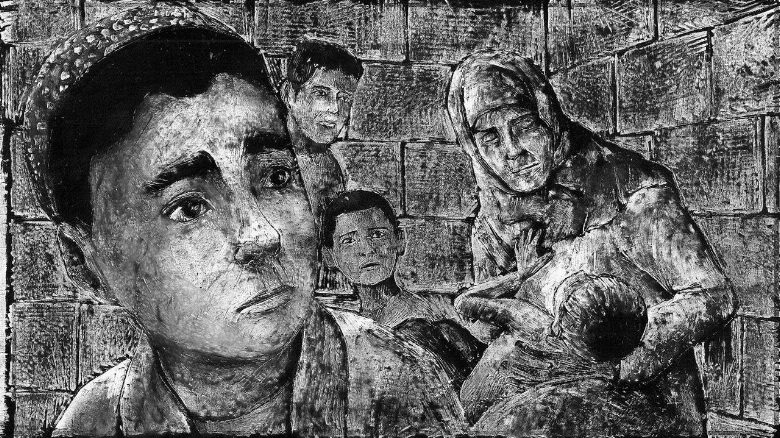
In the rural outskirts of Gaza City a small community of farmers, the Samouni extended family, is about to celebrate a wedding. It's going to be the first celebration since the latest war. Amal, Fuad, their brothers and cousins have lost their parents, their houses and their olive trees. The neighborhood where they live is being rebuilt. As they replant trees and plow fields, they face their most difficult task: piecing together their own memory. Through these young survivors' recollections, Samouni Road conveys a deep, multifaceted portrait of a family before, during and after the tragic event that changed its life forever.
Stefano Savona crafts a haunting meditation on memory and resilience with Samouni Road, a film that occupies a unique space between traditional documentary observation and evocative animation. By choosing to visualize the internal landscapes of a family recovering from profound loss, the director avoids the sensationalism often found in conflict cinema. Instead, he invites the audience into the quiet, rural outskirts of Gaza, where the simple act of replanting olive trees becomes an exercise in reconciling the past with a fractured present. This approach allows the film to transcend its status as a mere chronicle of war, evolving into a poignant study of how trauma shapes the identity of those left behind to rebuild their lives.
For viewers accustomed to the high-octane emotional beats of mainstream Indian cinema, this film offers a starkly different, meditative experience. While industries like Tollywood or Bollywood frequently utilize grand spectacles to explore themes of grief and family honor, Savona opts for a slow-burn, observational aesthetic that relies on the intimacy of personal recollection. The integration of animated sequences serves as a bridge, allowing the younger generation to process memories that are too painful to capture through standard cinematography. It is a work that demands patience, rewarding those who seek to understand the human cost of geopolitical instability rather than just the headlines.
This documentary stands out as a vital piece of world cinema, particularly for audiences who appreciate the intersection of art-house sensitivity and historical documentation. The film does not force a narrative arc, preferring to let the rhythm of daily agricultural life dictate the flow of the story. By focusing on the Samouni family as they prepare for a wedding, the director highlights the stubborn persistence of joy in the face of immense suffering. It is a deeply humanistic project that serves as a testament to the endurance of community, making it an essential watch for cinephiles interested in how experimental storytelling can provide a voice to the marginalized. Those who value the emotional weight of slow-paced, reflective filmmaking will find this to be an unforgettable, albeit somber, cinematic achievement.