
Playgirl(1966)
About Playgirl
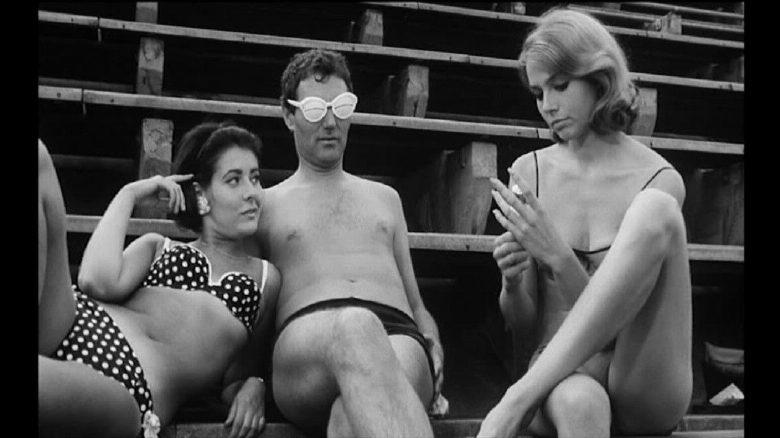
Alexandra is a model who comes to Berlin to rekindle an affair she started in Rome with businessman Joachim Steigenwald. But he pretends to be too busy for her and has his employee take Alexandra sightseeing. He, too, immediately falls under her enchantment. When they encounter Steigenwald, she finds herself between the two men, as someone who is always up for flirting with men …
The 1966 German feature Playgirl captures a distinct moment in European cinema, balancing the chic aesthetic of the mid-sixties with a narrative centered on the evolving independence of its female protagonist. Set against the backdrop of a bustling Berlin, the story follows Alexandra, a fashion model whose arrival in the city is sparked by the desire to pursue a past romantic connection with a prominent businessman. However, the film quickly pivots into a complex exploration of romantic entanglement when the protagonist finds herself caught in a delicate tug-of-war between her former flame and the associate assigned to entertain her. This dynamic shifts the focus from a simple reunion tale into a sharp, character-driven comedy of manners that highlights the social mores of the era.
For viewers accustomed to the high-energy melodrama often found in contemporary Indian cinema, this film offers a refreshing change of pace through its restrained, atmospheric storytelling. While our readers at thebiographys.com typically focus on the vibrant landscapes of Telugu or Hindi film industries, there is a universal appeal in this specific brand of mid-century European drama. The film functions as a time capsule, showcasing the sophisticated urban lifestyle of the time while questioning the agency of a woman navigating the expectations of professional and personal life. Eva Renzi commands the screen with a modern sensibility that feels remarkably forward-thinking for the period, making her journey relatable even to audiences decades removed from the initial release.
Those who appreciate stylish aesthetics and the intricate dance of romantic tension will find much to admire in this production. It serves as an excellent entry point for those looking to explore German cinema beyond the more common thriller or war genres, leaning instead into the lighter, yet psychologically astute, comedic style that defined European art house films of the sixties. Paul Hubschmid and Umberto Orsini provide a compelling contrast to Renzi, effectively grounding the film in its exploration of male ego and attraction. Ultimately, the film is positioned as an essential watch for enthusiasts of classic character studies who enjoy watching strong-willed protagonists navigate the complexities of desire in an unforgiving metropolitan environment. It remains a polished, visually engaging piece of history that continues to hold its own within the broader canon of international comedy-drama.
Cast(10)