Rakshak(1996)
About Rakshak
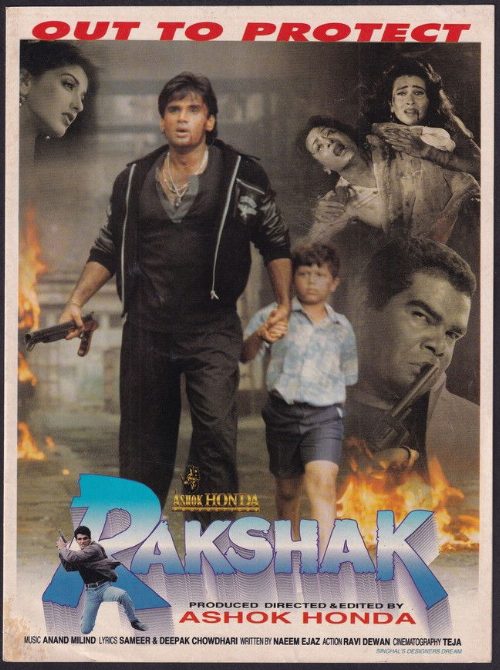
ASP Raj Sinha is assigned to nab the criminal responsible for printing and circulating fake currency notes. However, he is in for a rude shock when he learns that the criminal is his childhood friend
The mid-nineties marked a pivotal era for Bollywood action cinema, a time when high-octane muscle films dominated the landscape before the industry pivoted toward the lush, family-centric romances that defined the end of the decade. Rakshak stands as a definitive artifact of this transition, showcasing the raw, physical intensity that defined Suniel Shetty as one of the most bankable stars for gritty, vigilante-style narratives. By centering its tension on the moral erosion of a close bond, the film transcends the standard cat-and-mouse detective tropes, opting instead to explore the betrayal inherent in conflicting loyalties. It captures the specific aesthetic of 1996 Hindi commercial filmmaking, where stylized violence often mirrored the societal anxieties surrounding urban crime and the influx of illicit shadow economies during a period of rapid economic liberalization.
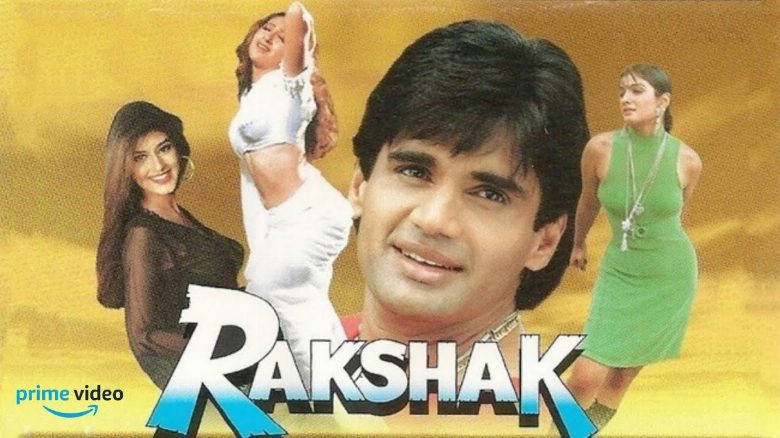
Suniel Shetty anchors the production with his trademark stoic resolve, portraying a law enforcement official tasked with dismantling a sophisticated counterfeiting ring. The narrative hook, which hinges on the antagonist being a figure from the protagonist's past, forces the audience to navigate a complex emotional terrain rather than a simple quest for justice. Alongside him, the presence of Karisma Kapoor and Sonali Bendre adds layers to the screenplay, as their characters navigate the fallout of the hero's professional crusade. For those who appreciate the hard-hitting stunt choreography and dramatic gravitas that defined the careers of actors during this period, the film serves as a compelling case study in the evolution of the Hindi police procedural. The performance of the late Raghuvaran, a powerhouse of intensity known for his versatile work across South Indian industries, provides a chilling gravitas that elevates the stakes significantly.
This film is particularly recommended for enthusiasts of nineties nostalgia who enjoy seeing the stark contrast between the gritty, grounded action sequences of that decade and the glossy, high-budget spectacles of today. It represents a genre that prioritized visceral, street-level confrontation over the hyper-stylized digital effects that are common in contemporary thrillers. By focusing on the psychological toll of duty, the story manages to remain grounded despite its explosive action beats. Whether you are a dedicated follower of Suniel Shetty's extensive filmography or a researcher looking to understand how the Indian film industry grappled with themes of corruption and personal integrity during the nineties, this title offers an engaging, fast-paced glimpse into the stylistic preoccupations of the time. It is a quintessential piece of the era, reflecting a moment when the line between personal history and professional obligation was frequently blurred for dramatic effect.