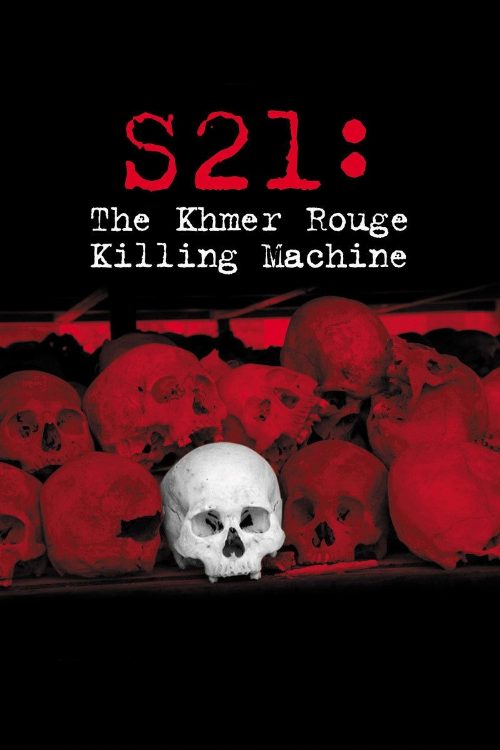
S21: The Khmer Rouge Killing Machine(2003)
About S21: The Khmer Rouge Killing Machine
Documentary of the S-21 genocide prison in Phnom Penh with interviews of prisoners and guards. On the search for reasons why this could have happened.
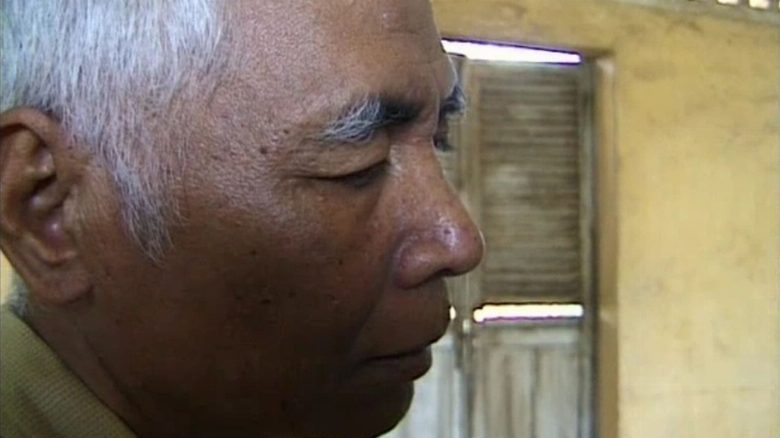
Rithy Panh stands as a singular voice in contemporary non-fiction filmmaking, and his 2003 masterpiece remains a chilling testament to the necessity of confronting historical trauma through the lens of those who lived it. By returning to the site of a notorious detention center in Phnom Penh, the director orchestrates a haunting dialogue between the men who executed horrific acts and the few individuals who managed to survive them. This is not merely a record of past atrocities but a deeply uncomfortable exploration of human nature, pushing viewers to witness the mundane face of evil as former captors describe their daily routines with a detachment that is far more disturbing than any graphic imagery.
For audiences who follow global cinema, particularly those accustomed to the profound social commentary found in current Indian-language movements like the gritty realism of Malayalam investigative dramas or the historical weight of Tamil period pieces, this documentary offers a masterclass in minimalist storytelling. It avoids the trap of sensationalism, choosing instead to let silence and lingering gazes carry the narrative burden. The film functions as an essential historical document, stripping away the abstract layers of political violence to reveal the raw, human machinery that allowed such systematic destruction to occur. While its subject matter is undeniably harrowing, the work is an intellectual imperative for anyone interested in how societies grapple with the ghosts of genocide.
The brilliance of this production lies in its refusal to offer easy answers or catharsis for the audience. By placing victims and perpetrators in the same physical space decades later, the film challenges the viewer to contemplate the nature of complicity and the fragility of morality under totalitarian regimes. It is a demanding watch that requires emotional stamina, yet it is profoundly rewarding for those who seek cinema that moves beyond entertainment to serve as a mirror for humanity. This is a definitive entry in the canon of war documentaries, securing its place as an indispensable study of memory, accountability, and the long shadows cast by state-sponsored cruelty. It serves as a stark reminder that while history may be written by the victors, the truth is often found in the quiet, painful testimonies of those who bear the scars of the past.
Cast(15)