The Arrival of a Train at La Ciotat(1896)
About The Arrival of a Train at La Ciotat
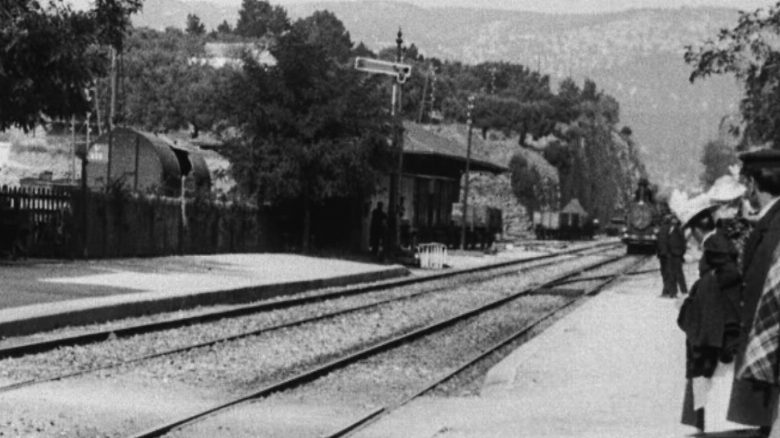
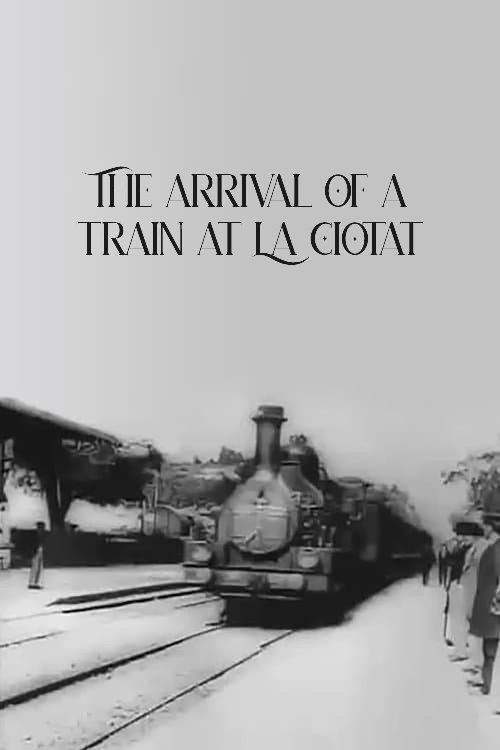
A group of people are standing along the platform of a railway station in La Ciotat, waiting for a train. One is seen coming, at some distance, and eventually stops at the platform. Doors of the railway-cars open and attendants help passengers off and on. Popular legend has it that, when this film was shown, the first-night audience fled the café in terror, fearing being run over by the "approaching" train. This legend has since been identified as promotional embellishment, though there is evidence to suggest that people were astounded at the capabilities of the Lumières' cinématographe.
Long before the sprawling narratives and intricate CGI spectacles of modern cinema, there was a moment of pure, unadulterated awe captured on film: the simple yet profound act of a train pulling into a station. The Arrival of a Train at La Ciotat, a foundational work from 1896, isn't just an early documentary; it's a window into the very birth of the moving image as a public phenomenon, a testament to the primal power of realism that cinema could unleash. This French production, from the pioneering Lumière brothers, stands as a stark reminder of how revolutionary the mere depiction of everyday life was over a century ago.
The film's premise is as straightforward as its title suggests: a stationary camera observes a crowd gathered at a railway platform in La Ciotat as a train approaches, slows, and eventually halts. Passengers disembark and embark, aided by station attendants, in a scene that would now be utterly unremarkable, yet then, it was nothing short of miraculous. While popular lore about audiences fleeing in terror has been largely debunked as an early marketing flourish, the historical accounts confirm a profound sense of wonder and astonishment among viewers. This was a technology that brought distant realities right into their presence, a capability that continues to resonate in today's immersive cinematic experiences, from 3D epics to VR storytelling. It captures a slice of life, a candid, unadorned moment that predates the conventions of narrative filmmaking, offering a raw, almost journalistic glimpse into late 19th-century European transit.
For cinephiles and film historians alike, The Arrival of a Train at La Ciotat is essential viewing, not for its plot, but for its historical significance and its enduring impact on how we perceive cinema. It serves as a powerful reminder of cinema's roots in capturing and reflecting reality, a thread that runs through everything from social realist dramas to contemporary travelogues. Viewers interested in the evolution of visual storytelling, the origins of documentary filmmaking, or simply curious about the very first steps of an art form that would soon conquer the world, will find this brief, silent piece captivating. It’s a foundational stone in the edifice of global cinema, a silent precursor to the vibrant industries of India, Hollywood, and beyond, demonstrating the universal appeal of simply seeing life unfold before one's eyes.