About Statues Also Die
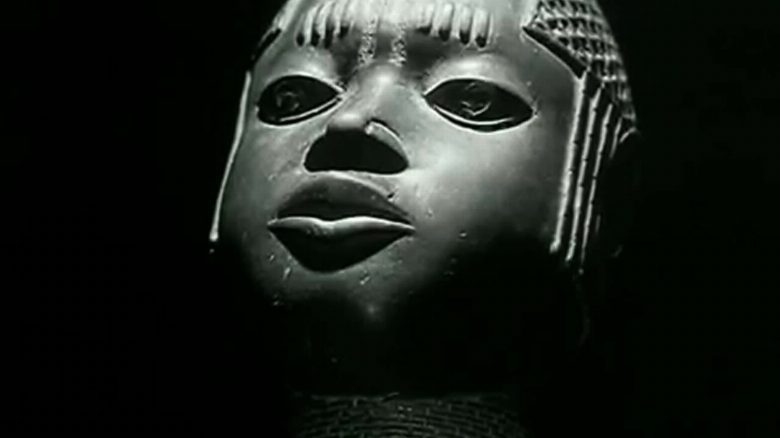
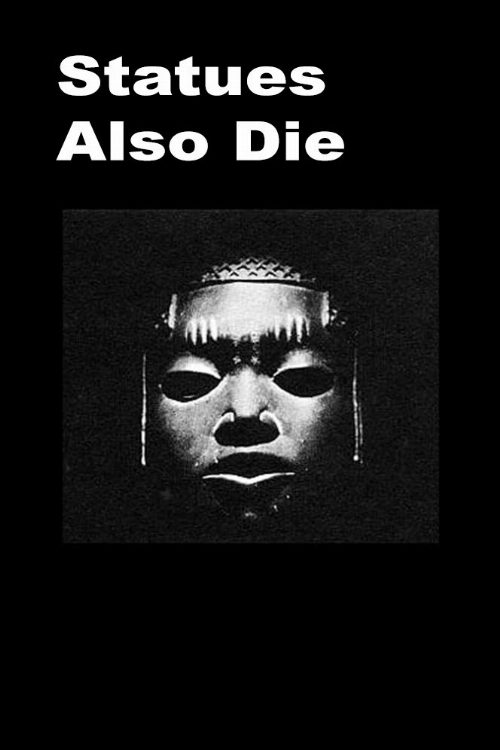
Commissioned by the journal Présence Africaine, this short documentary examines how African art is devalued and alienated through colonial and museum contexts. Beginning with the question of why African works are confined to ethnographic displays while Greek or Egyptian art is celebrated, the film became a landmark of anti-colonial cinema and was banned in France for eight years.
Few cinematic works from the mid-twentieth century managed to challenge the status quo with as much intellectual vigor and visual precision as Statues Also Die. Directed by Alain Resnais, this short documentary serves as a profound interrogation of how Western institutions consume and categorize non-Western creative output. By juxtaposing the prestige afforded to classical European antiquities against the dismissive treatment of African artifacts, the film exposes the inherent power dynamics embedded within the museum system. It moves beyond a simple catalog of objects to explore the psychological and cultural erasure that occurs when vibrant, functional expressions of identity are transformed into static, exoticized curiosities for colonial observers.
The film occupies a fascinating space in the history of global protest art, standing as a testament to the power of the medium to spark political friction. Because it dared to critique the cultural hegemony of its host nation, it faced significant censorship hurdles, remaining suppressed for several years after its initial production. For audiences familiar with the current discourse surrounding the repatriation of artifacts and the decolonization of museums, this work feels remarkably contemporary. Its sharp editing and rhythmic narration demonstrate why Resnais would eventually become a titan of the French New Wave, showing an early mastery of using the camera to dismantle historical narratives rather than just documenting them.
Viewers who enjoy cinema that functions as a philosophical essay will find this piece essential viewing. It is not a passive observation but a sharp, rhythmic argument that demands the audience reconsider the invisible hierarchies of art history. Given the current global focus on reclaimed cultural heritage and the ethics of curation, this documentary remains a vital reference point for those studying how the lens can be used as a tool for radical critique. Whether you are a student of film history or a devotee of experimental non-fiction, the work offers a stark, necessary look at how societies assign value to the creative labor of others. It is a haunting example of how art can act as a mirror to the conscience of a nation, refusing to let the viewer look away from the uncomfortable truths of global legacy.
Cast(4)



Crew
Writer
Cinematography
Director
Original Music Composer
Sound Engineer
Creative Consultant
Conductor
Similar Films