
About Sinatra
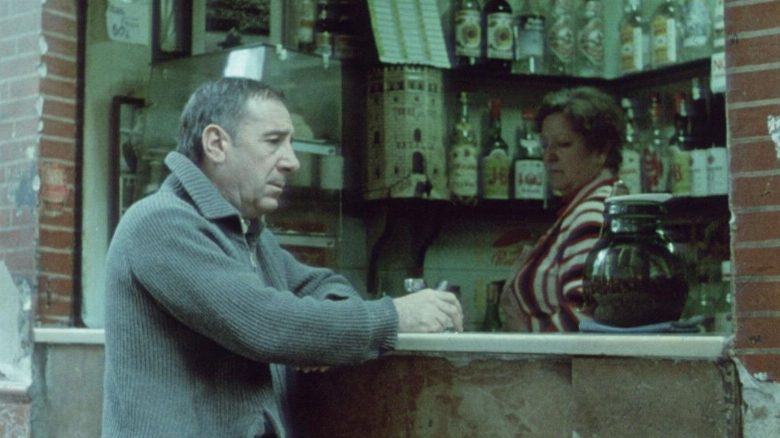
Antonio Castro, Sinatra, is a fighter of life working in an old cabaret in Barcelona imitating Frank Sinatra, accompanied in his show by Groucho Marx, Marlene Dietrich and Lola Flores. But one day, the sky dresses in gray for him; his wife, who works as a waitress in the same place, decides to leave him.
Stepping into the melancholic yet vibrant streets of late eighties Barcelona, the film Sinatra offers a poignant look at the fragility of personal identity when the stage lights dim. Directed by Francesc Betriu, this Spanish production captures the essence of a man who finds his purpose through the mimicry of a legendary American crooner, only to watch his reality crumble when his domestic life unexpectedly unravels. Unlike typical dramas of the era, the story balances its heavy emotional beats with a distinct comedic undertone, creating a unique atmosphere where the absurdity of show business collisions with the starkness of heartbreak. It serves as a fascinating time capsule of European cinema, reflecting the cultural shifting point of Spain as it navigated the complexities of post-transition life.
For fans of global cinema who appreciate character-driven narratives, this film acts as a contemplative study on performance. The protagonist, Antonio Castro, navigates his existence through the borrowed charisma of Frank Sinatra while working at a cabaret populated by other impersonators, including figures like Groucho Marx and Marlene Dietrich. This surreal workplace setup highlights the desperate longing for escapism that defines the characters. The performance of Manuel Alexandre is particularly notable for its depth, as he manages to convey the quiet desperation of a man whose livelihood depends on becoming someone else, even as his own marriage disintegrates. It is a work that resonates with anyone interested in the intersection of artifice and authentic human sorrow, offering a sophisticated look at how we project our dreams onto the roles we play for others.
Viewers who enjoy the nuanced storytelling found in regional Indian cinema, particularly in the reflective dramas of the Malayalam or Marathi industries, will likely find common ground in the themes presented here. Much like films that explore the struggles of aging performers or the disillusionment of the middle class, this movie prioritizes internal conflict over spectacle. It is positioned as a sophisticated character portrait rather than a traditional narrative arc, making it a compelling choice for those who prefer stories that linger on the subtleties of regret and resilience. By anchoring the narrative in the grimy, soulful backdrop of Barcelona, Betriu crafts a vision that feels both specific to its locale and universal in its depiction of a man trying to find his footing when the music stops playing. The film remains an essential watch for cinephiles eager to explore the diverse textures of European storytelling beyond the mainstream.
Cast(12)