About Slugs
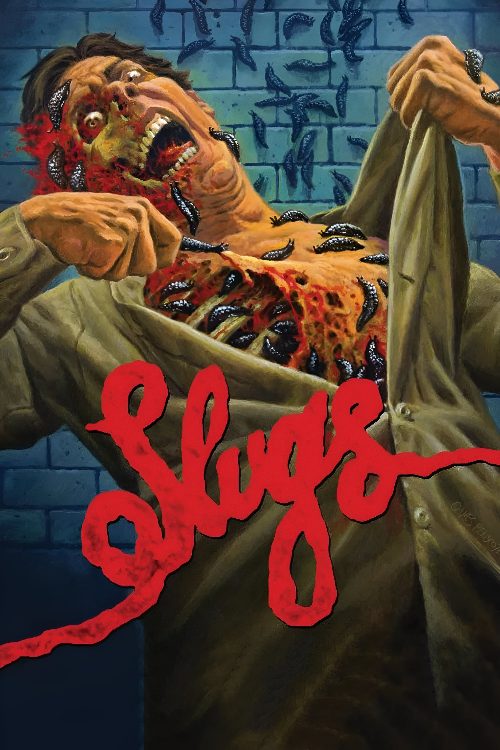
People are dying mysteriously and gruesomely, and nobody has a clue what the cause is. Only health worker Mike Brady has a possible solution, but his theory of killer slugs is laughed at by the authorities. Only when the body count begins to rise and a slug expert from England begins snooping around does it begin to look like Mike had the right idea after all.
Spanish horror cinema in the late eighties occupied a fascinating niche, often blending continental sensibilities with the visceral, practical effects-driven aesthetic popular in American genre filmmaking at the time. Slugs stands out as a particularly audacious entry from this era, taking a premise that might have been played for camp and grounding it in a grim, small-town procedural framework. While Indian audiences are accustomed to high-stakes thrillers that often rely on supernatural or psychological dread, this film offers something entirely different by turning a common, seemingly harmless garden pest into an instrument of absolute biological terror. It captures that specific sense of isolation found in eighties creature features, where the lack of modern connectivity forces a small group of characters to confront a threat that the establishment refuses to acknowledge.
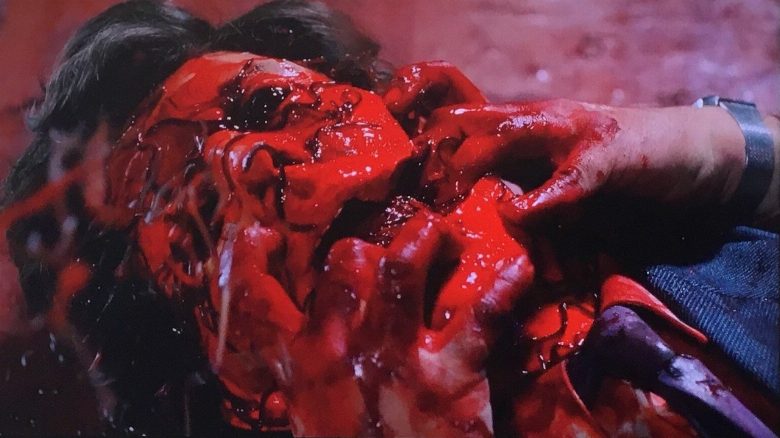
The narrative trajectory follows a familiar but effective path, focusing on a health inspector who finds his warnings dismissed until the evidence becomes impossible to ignore. For viewers who appreciate the tactile nature of analog filmmaking, the movie serves as a masterclass in low-budget ingenuity. It eschews the digital polish of contemporary cinema in favor of gooey, practical gore that has aged into a distinctively gritty visual language. This style of horror, which prioritizes the physical manifestation of fear over abstract tension, remains a hallmark of the period. It will likely resonate with fans of cult classics who enjoy seeing how filmmakers can transform an mundane environment into a claustrophobic nightmare, proving that horror does not always need a human villain to be effective.
Beyond its status as a curiosity of the eighties, the film highlights the global reach of the creature feature genre, which has long been a staple of international cinema. While the industry today focuses on high-concept blockbusters or complex emotional dramas, there is an enduring appeal to these straightforward tales of man versus nature. This particular feature is positioned as a must-watch for those who enjoy the slow-burn realization of a massive threat hidden in plain sight. By centering on a protagonist who must battle institutional apathy alongside the encroaching biological hazard, the film manages to maintain a sense of urgency that transcends its humble origins. It is a testament to the idea that even the most unlikely subjects can be repurposed to create genuine unease, provided the execution leans into the grotesque reality of its central premise.
Cast(29)










![[REC] poster](/storage/tmdb/resized/w342/hgyJR4sgMsee6xMFM3xYiG6cDCh.jpg)