The Werewolf Versus the Vampire Woman(1971)
About The Werewolf Versus the Vampire Woman
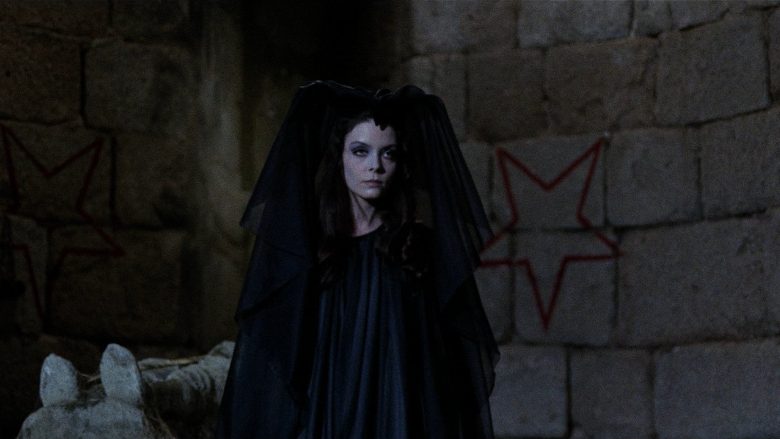
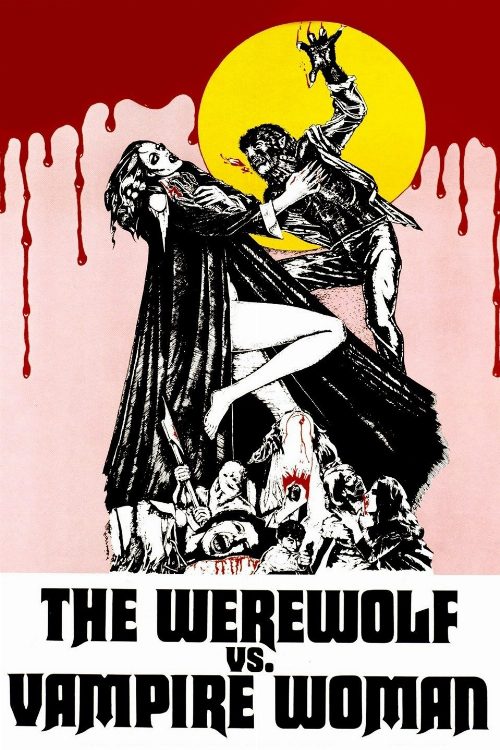
Elvira is travelling through the French countryside with her friend Genevieve, searching for the lost tomb of a medieval murderess and possible vampire, Countess Wandessa. They find a likely site in the castle of Waldemar Daninsky, who invites the women to stay as long as they like. As Waldemar shows Elvira the tomb that supposedly houses the countess, she accidentally causes the vampire to come back to life, hungrier than ever. Daninsky has a hidden secret of his own, but will it be enough to save the two girls from becoming Wandessa's next victims?
European horror cinema from the early seventies occupies a fascinating space in the history of international genre film, and The Werewolf Versus the Vampire Woman stands as a quintessential artifact of that era. Directed by Leon Klimovsky, this Spanish production breathes life into the classic monster mashup trope, positioning its narrative within a gothic landscape that feels both claustrophobic and expansive. While modern audiences might associate the creature feature with high-budget visual effects, this film relies on the atmospheric tension of crumbling castles and the brooding intensity of its leading man, Paul Naschy. Naschy, who was a pivotal figure in the Spanish horror boom, brings a weary, tragic quality to his role that elevates the material beyond a simple battle of supernatural icons.
The plot centers on two companions wandering through rural France, whose curiosity leads them directly into the path of an ancient, bloodthirsty countess. The intersection of this reanimated threat and the protagonist who harbors his own lupine curse creates a dynamic where the hero must navigate his internal duality while facing an external nightmare. For those who appreciate the aesthetic of European cult classics, the film provides a masterclass in mood and pacing. It captures a specific moment when global cinema was experimenting with darker, more visceral storytelling, moving away from the sanitized monsters of previous decades toward something grittier and more unpredictable.
Viewers who enjoy the interplay of folklore and melodrama will find much to admire here. It is a film for those who prefer their horror served with a side of theatricality, emphasizing the performance-driven nature of the genre before the shift toward modern jump-scare tactics. The chemistry between the cast members, particularly as they navigate the shifting loyalties and life-or-death stakes, ensures that the tension remains palpable throughout the runtime. Whether you are a dedicated enthusiast of the werewolf subgenre or someone looking to explore the roots of continental macabre cinema, this feature serves as an essential entry point. It represents a time when the monster movie was not just about the spectacle of the kill, but about the haunting legacy of the past and the struggle to contain the darkness lurking within the human spirit. By blending the mythos of the vampire with the tragic isolation of the lycanthrope, the film delivers a stylistic experience that remains a cornerstone of the cult horror canon.
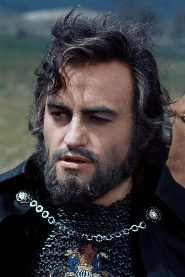
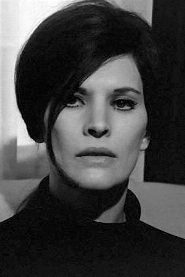
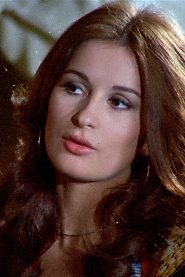
Cast(14)





![[REC] poster](/storage/tmdb/resized/w342/hgyJR4sgMsee6xMFM3xYiG6cDCh.jpg)