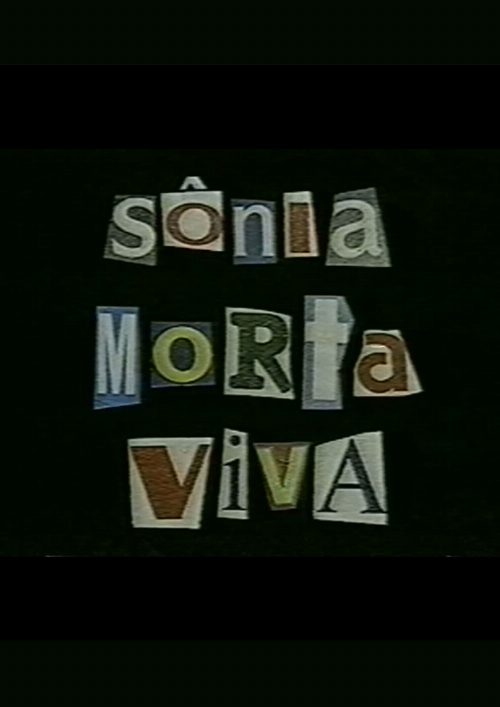
About Sônia Morta Viva
Few cinematic artifacts capture the intersection of political trauma and personal grief quite like Sonia Morta Viva, a documentary that emerged from the complex landscape of mid-eighties Brazil. While modern audiences often associate the documentary format with polished, high-budget streaming specials, this 1985 production feels raw, immediate, and hauntingly intimate. It serves as a stark reminder of the era when South American filmmakers were grappling with the lingering ghosts of military regimes, using the medium not just to record history, but to confront the crushing silence left behind by state-sanctioned violence. By focusing on the singular loss of a young woman, the film transcends standard investigative reporting to become a meditative piece on the fragility of human existence under oppressive systems.
The brilliance of this project lies in its restraint and its refusal to simplify the tragedy it explores. For viewers who appreciate the gritty, grounded realism often found in contemporary Indian parallel cinema or the hard-hitting social dramas coming out of the Malayalam and Tamil industries, this documentary offers a compelling, albeit somber, parallel. It avoids the sensationalism that plagues much of modern true-crime storytelling, choosing instead to lean into the testimony of those left behind. Carlos Vereza and the rest of the ensemble cast provide a grounded anchor to the narrative, ensuring that the human element remains at the forefront of the investigation. It is a work that demands patience and empathy, rewarding the viewer with a profound understanding of how individual lives are systematically erased by political turbulence.
This film is best suited for those who view cinema as a tool for historical inquiry and social reflection. It shares the DNA of films that prioritize atmosphere and testimonial weight over fast-paced editing or artificial tension. If you are someone who keeps a close eye on the evolution of global documentary storytelling, particularly those narratives that challenge the status quo, this piece is an essential watch. It stands as a testament to the power of the camera to act as a witness when the judicial system fails. Even decades after its original release, the urgency of its mission remains intact, serving as a vital bridge between the personal tragedies of the past and the collective memory of the present. It remains a poignant example of how a singular, focused story can illuminate the darker corners of a nation’s history without ever losing its soul.
Cast(1)
Crew
Camera Operator
Screenplay
Producer
Music Coordinator
Editor
Director
Similar Films