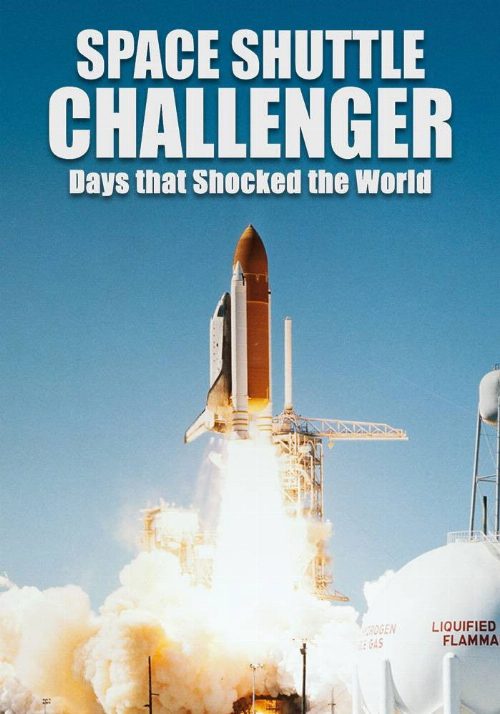
About Space Shuttle Challenger
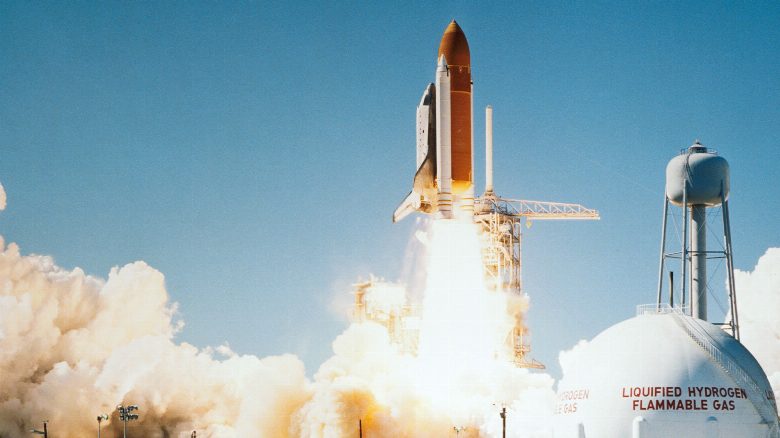
Tragedy struck when the Space Shuttle Challenger disintegrated just 73 seconds into flight. Hours earlier, engineers argued to cancel the launch, amid fears of such a tragedy – so why did it go ahead?
The catastrophic failure of the Challenger mission remains a haunting scar on the timeline of human exploration, serving as a stark reminder of the fragile boundary between triumph and disaster. Callum Brennan directs this investigative documentary with a focus on the human decisions that preceded the explosion, moving beyond the mere spectacle of the event to scrutinize the corporate and political pressures that compromised safety protocols. By centering the narrative on the desperate warnings issued by technical experts in the final moments before liftoff, the film builds a portrait of institutional inertia that resonates deeply in our modern era of high stakes technological ambition. It serves as a grim autopsy of a tragedy that was arguably preventable, placing the viewer in the room as the countdown clock ticked toward an avoidable catastrophe.
For audiences accustomed to the high production values of contemporary historical documentaries, this project offers a sobering look at the intersection of bureaucratic negligence and engineering reality. While the Indian film industry has recently seen a surge in prestige dramas exploring complex national milestones, this English language production aligns with a global trend of revisiting twentieth century traumas through a lens of extreme transparency. It is an essential watch for those interested in the ethics of leadership and the dark side of progress, appealing to viewers who appreciate deep investigative journalism paired with cinematic pacing. The film does not rely on sensationalism; instead, it leans into the quiet, agonizing tension of professionals who saw the writing on the wall but were unable to halt the machinery of momentum.
Tom Gorham anchors the production with a grounded presence that helps bridge the gap between historical record and emotional storytelling. Brennan demonstrates a keen eye for uncovering the human element within a cold, mechanical failure, ensuring the gravity of the lives lost is never overshadowed by the technical intricacies of the shuttle design. This approach elevates the documentary from a standard educational piece to a compelling character study of accountability and corporate culture. Those who follow the evolution of factual storytelling will find this work to be a definitive account, meticulously assembled to provoke difficult questions about what we prioritize when the pressure to succeed threatens to override the necessity of safety. By stripping away the distance of time, the film forces a modern audience to confront the heavy cost of ignoring expertise, making it a powerful addition to the current landscape of documentary filmmaking.